Peru and Machu Picchu
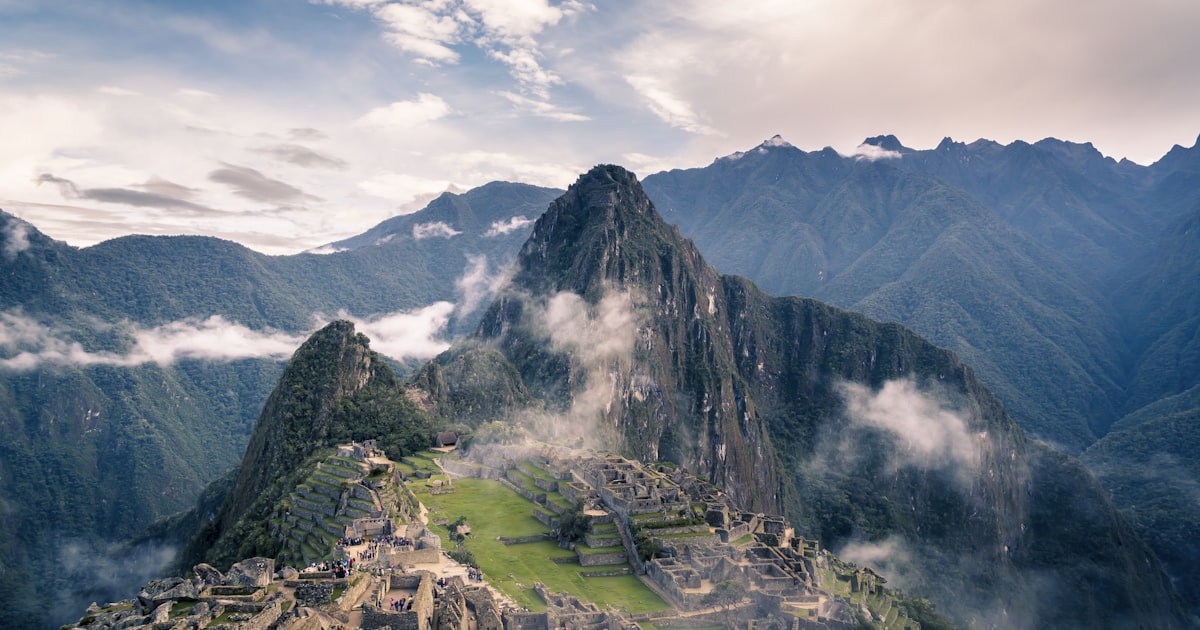
Peru is a country of staggering contrasts, from the arid Pacific coast through the towering Andes to the vast Amazon rainforest. At the heart of any visit lies Machu Picchu, the fifteenth-century Inca citadel perched at 2,430 meters above sea level on a narrow ridge between two peaks. But Peru offers far more than its most famous ruin. The colonial grandeur of Cusco, the floating islands of Lake Titicaca, and a culinary scene now ranked among the world's finest all compete for your attention and time.
The Inca Trail and Alternative Treks
The classic Inca Trail is a four-day, 43-kilometer trek that follows original Inca pathways through cloud forest and past remote archaeological sites before arriving at the Sun Gate overlooking Machu Picchu at dawn. Only 500 people per day are permitted on the trail, including porters and guides, so permits sell out months in advance. The trek reaches its highest point at Dead Woman's Pass at 4,215 meters, demanding reasonable fitness and proper acclimatization. For those who prefer alternatives, several options exist:
- The Salkantay Trek, a five-day route through diverse ecosystems past a 6,271-meter glacier
- The Lares Trek, which passes through traditional Quechua communities and hot springs
- The Inca Jungle Trek, combining hiking with mountain biking and zip-lining
- The train from Cusco or Ollantaytambo to Aguas Calientes for a non-trekking approach
Sacred Valley and Cusco
The Sacred Valley of the Incas stretches between Cusco and Machu Picchu along the Urubamba River. Ollantaytambo features massive Inca terraces and a still-functioning pre-Columbian town layout. Pisac hosts a famous market on Tuesdays, Thursdays, and Sundays where local artisans sell textiles, ceramics, and jewelry. The Moray archaeological site contains mysterious circular terraces that the Incas likely used as an agricultural laboratory to test crop varieties at different altitudes. The Maras salt mines, where salt has been harvested from a natural spring since Inca times, create a photogenic cascade of thousands of small white pools across the hillside. Cusco itself, the former Inca capital, blends massive Inca stone foundations with Spanish colonial architecture. The Plaza de Armas is surrounded by ornate churches, and the surrounding streets are filled with museums, galleries, and restaurants serving both traditional and contemporary Peruvian cuisine.
Altitude Acclimatization
Cusco sits at 3,400 meters above sea level, and altitude sickness affects many visitors. Symptoms include headache, nausea, shortness of breath, and fatigue. The most effective strategy is to spend at least two full days in Cusco before attempting any strenuous activity. Drink plenty of water, avoid heavy meals and alcohol during the first day, and consider coca tea, which locals have used for centuries to alleviate symptoms. Some travelers choose to acclimatize in the Sacred Valley first, which sits roughly 600 meters lower than Cusco, before ascending to the city.
Peruvian Cuisine and Lake Titicaca
Peruvian cuisine has earned international acclaim for its diversity and innovation. Ceviche, raw fish cured in citrus juice with chili peppers, onions, and cilantro, is the national dish and is best eaten fresh at lunchtime. Lomo saltado combines stir-fried beef with soy sauce and French fries, reflecting the Chinese-Peruvian fusion known as chifa. Guinea pig, or cuy, is a traditional Andean delicacy typically roasted whole for special occasions. Lima's Miraflores and Barranco districts contain dozens of world-class restaurants where chefs blend indigenous ingredients with international techniques. Lake Titicaca, straddling the Peru-Bolivia border at 3,812 meters, is the highest navigable lake in the world. The Uros people live on floating islands constructed entirely from totora reeds, adding new layers as the bottom decays. Taquile Island preserves ancient textile traditions recognized by UNESCO, and the male inhabitants are famous for their intricate knitting, a skill passed down through generations.