Patagonia: The End of the World
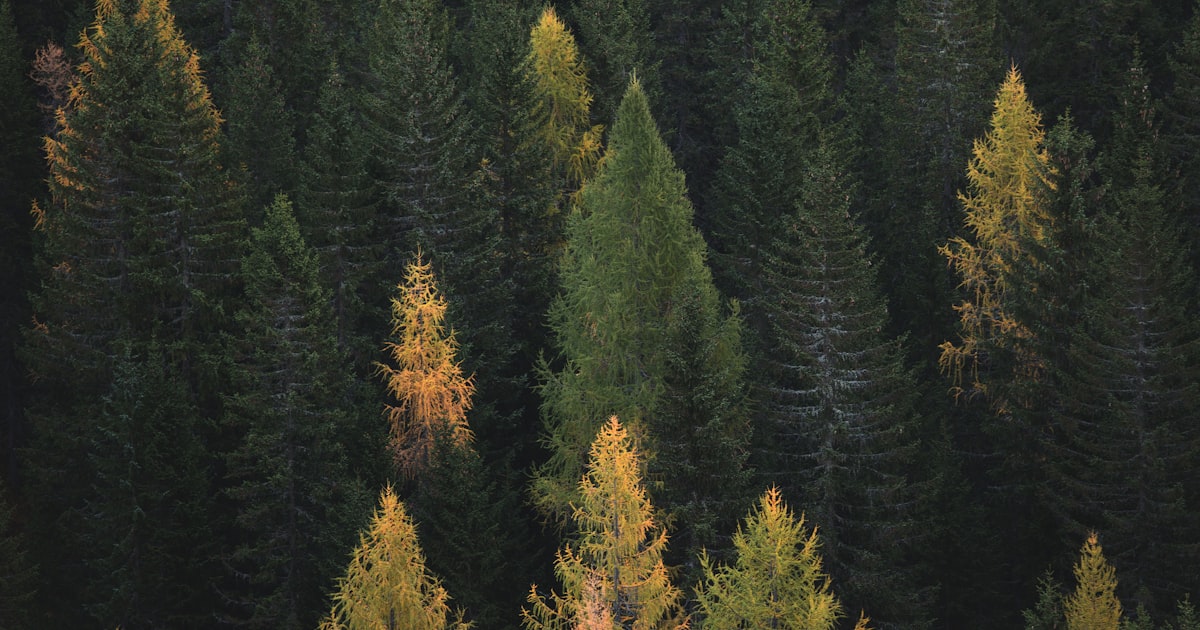
Patagonia stretches across the southern reaches of Argentina and Chile, a vast expanse of windswept steppe, jagged granite peaks, ancient glaciers, and turquoise lakes. The region covers roughly one million square kilometers yet is home to fewer than two million people. This emptiness is precisely its appeal. Travelers come here to disconnect from the modern world and immerse themselves in landscapes that feel both primordial and humbling. The sheer scale of Patagonia defies photography and demands to be experienced firsthand.
Torres del Paine National Park
Chile's crown jewel of outdoor recreation, Torres del Paine attracts trekkers from around the globe. The park's iconic granite towers rise dramatically above glacial lakes, and the surrounding terrain offers everything from gentle day hikes to multi-day expeditions. The W Trek, a four-to-five-day route, is the most popular circuit and covers roughly 80 kilometers past the base of the towers, the Grey Glacier, and the French Valley. The full O Circuit adds two more days, looping behind the Paine massif through pristine backcountry. Refugios along the trails offer bunk beds and hot meals, while designated campsites allow for a more independent experience. Reservations are mandatory during peak season from November through March and should be booked months in advance.
Perito Moreno Glacier and Los Glaciares
On the Argentine side, Los Glaciares National Park hosts the Perito Moreno Glacier, one of the few advancing glaciers remaining on Earth. This massive wall of ice stretches five kilometers across and rises sixty meters above the surface of Lago Argentino. Visitors walk along elevated boardwalks to witness enormous chunks of ice calving into the water below with thunderous cracks. For a more immersive experience, guided ice-trekking tours take small groups onto the glacier surface itself, navigating between crevasses and brilliant blue ice formations. The nearby town of El Calafate serves as the gateway to the glacier and offers comfortable accommodations and restaurants specializing in Patagonian lamb.
Wildlife and Natural Wonders
Patagonia's isolation supports remarkable biodiversity. Species commonly encountered include:
- Andean condors soaring on thermal currents above the peaks
- Guanacos, wild relatives of the llama, grazing across the steppe
- Magellanic penguins nesting in coastal colonies near Punta Tombo
- Southern right whales breaching off the Peninsula Valdes coast from June to December
- Pumas, elusive but increasingly spotted by patient observers in Torres del Paine
Travel Logistics and Planning
Getting to Patagonia requires some planning, as distances are enormous and infrastructure is limited. Most visitors fly into Punta Arenas or Puerto Natales on the Chilean side, or El Calafate on the Argentine side. Bus connections between towns exist but schedules are infrequent. Renting a vehicle provides the most flexibility, though roads can be unpaved and fuel stations are spaced far apart. Weather is notoriously unpredictable, with four seasons possible in a single day. Layering is essential, and a windproof shell is non-negotiable. The best months to visit are November through March, when temperatures range from 5 to 20 degrees Celsius and daylight extends past ten in the evening. Budget travelers should note that Patagonia is expensive by South American standards, particularly for accommodation and park fees.