Exploring the Norwegian Fjords
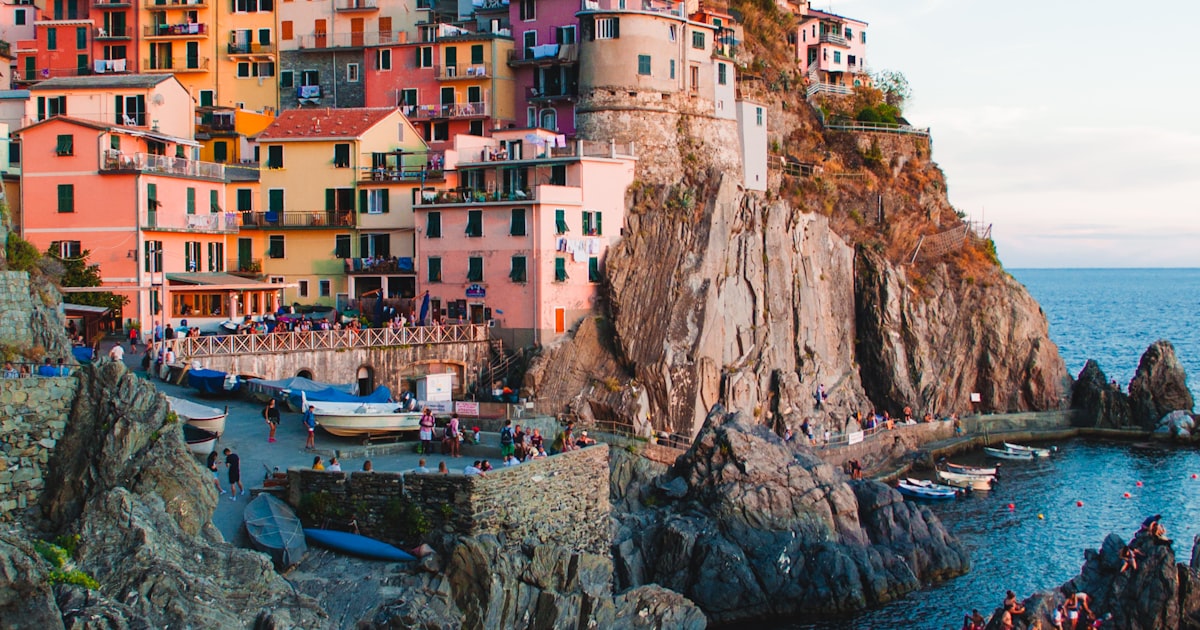
Norway's western coastline is one of the most dramatic on Earth, carved by glaciers over millions of years into deep, narrow inlets flanked by towering cliffs. The fjords extend from Stavanger in the south to the Lofoten Islands far above the Arctic Circle, offering a corridor of natural beauty that shifts with every season. Whether viewed from the deck of a ferry, a mountain summit, or a quiet village shoreline, the Norwegian fjords deliver a sense of scale that photographs struggle to capture.
Geirangerfjord and Sognefjord
Geirangerfjord, a UNESCO World Heritage Site, is perhaps Norway's most photographed natural landmark. This fifteen-kilometer fjord features the famous Seven Sisters waterfall, where seven separate streams cascade down the mountainside, and the Suitor waterfall directly opposite. The viewpoints at Flydalsjuvet and Ornesvingen offer vertigo-inducing perspectives hundreds of meters above the water. Sognefjord, Norway's longest and deepest fjord at 204 kilometers long and 1,308 meters deep, requires a different approach. Its sheer size means you experience it across multiple days, visiting charming villages like Balestrand and Flam along its branches. The Nærøyfjord, a narrow arm of Sognefjord, is another UNESCO site where the fjord narrows to just 250 meters between cliffs that soar 1,700 meters above the waterline.
Cruise Options and Fjord Travel
There are several ways to experience the fjords by water:
- The Hurtigruten coastal voyage runs from Bergen to Kirkenes over six days, stopping at thirty-four ports
- Norway in a Nutshell packages combine train, bus, and ferry for a concentrated one or two-day fjord experience
- Local ferries connect fjord-side villages and are used by both tourists and commuters
- RIB boat tours offer high-speed, close-up encounters with waterfalls and wildlife
- Kayak rentals allow paddling through calm fjord waters at your own pace
The Flam Railway, descending 866 meters over twenty kilometers through tunnels and past waterfalls, is consistently rated among the world's most scenic train journeys and connects seamlessly with fjord ferry services.
Hiking the Fjord Region
Norway's fjord country offers hiking trails ranging from gentle lakeside walks to serious mountain ascents. Preikestolen, or Pulpit Rock, is a flat-topped cliff jutting 604 meters above Lysefjord and is reachable via a moderate four-hour round-trip hike from Preikestolen Fjellstue. Trolltunga, the famous tongue-shaped rock formation projecting horizontally over Lake Ringedalsvatnet, requires a demanding ten to twelve-hour hike of 28 kilometers round trip. The Romsdalseggen Ridge near Andalsnes delivers panoramic views across multiple fjords and peaks along a seven-hour exposed ridge walk. All trails are free to access under Norway's allemannsretten, the right to roam, which allows everyone to walk freely in the countryside regardless of land ownership.
Midnight Sun and Northern Lights
Northern Norway above the Arctic Circle experiences the midnight sun from late May through mid-July, when the sun never fully sets and the landscape glows in perpetual golden light. This is the best time for hiking, fishing, and exploring the Lofoten Islands, where red wooden fishing cabins called rorbuer line dramatic harbors beneath sharp granite peaks. From September through March, the same region transforms into one of the world's premier Northern Lights destinations. The city of Tromso serves as a popular base, offering aurora chases by bus, boat, or snowmobile. The Lofoten Islands provide exceptionally dark skies and the unique experience of watching the aurora reflected in still fjord waters. Norway is expensive by any standard, but the natural rewards justify the investment for those who prioritize landscape and outdoor experiences above all else.