Morocco: Medinas and Mountains
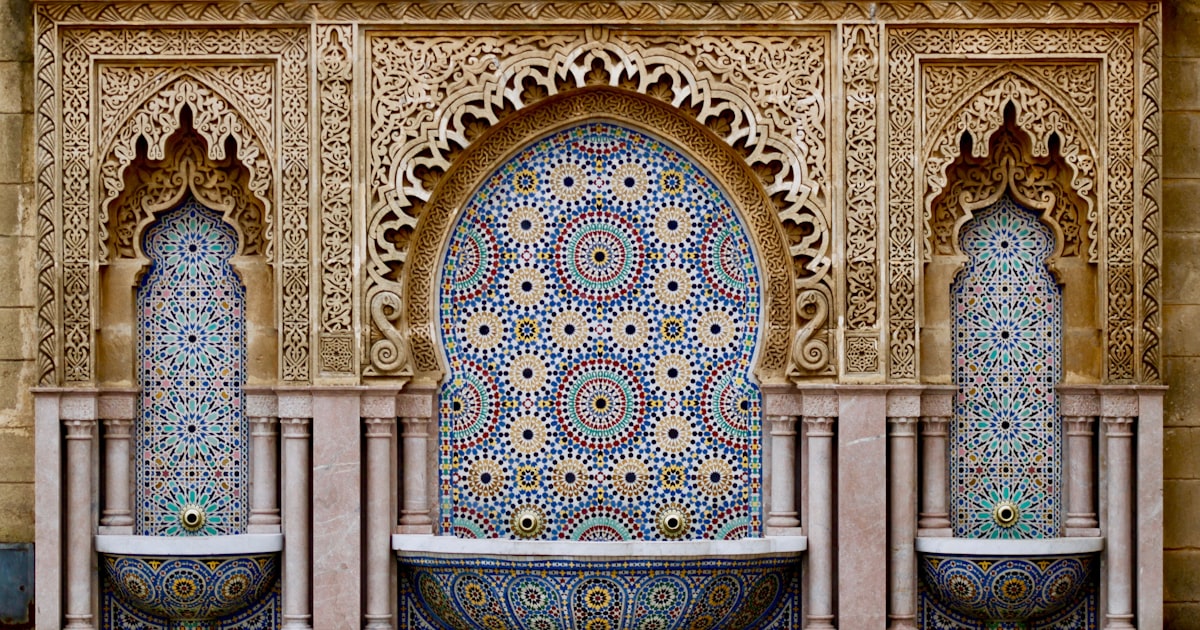
Morocco occupies the northwestern corner of Africa, a country where ancient Berber traditions, Arab influences, and French colonial history have merged into something entirely unique. The labyrinthine medinas of its imperial cities are living museums of medieval urban planning, while the Atlas Mountains and Sahara Desert offer landscapes that shift from lush valleys to endless dunes within a few hours of driving. Morocco rewards the curious traveler who embraces its sensory overload of colors, sounds, and flavors.
Marrakech and Fez
Marrakech's Jemaa el-Fnaa square transforms throughout the day. Mornings bring fresh orange juice vendors and snake charmers, afternoons see storytellers and henna artists, and evenings erupt with dozens of open-air food stalls serving everything from grilled meats to snail soup. The surrounding medina is a maze of narrow alleys containing souks organized by trade: leather workers, metalworkers, carpet sellers, and spice merchants each occupy their own quarter. The Bahia Palace and Saadian Tombs showcase intricate zellige tilework and carved cedarwood. Fez, by contrast, feels more authentic and less tourist-oriented. The Fez el-Bali medina is the world's largest car-free urban zone, with over nine thousand alleys. The Chouara tannery, where leather has been dyed using traditional methods for centuries, remains one of Morocco's most striking sights. The University of al-Qarawiyyin, founded in 859 AD, is recognized as the world's oldest existing educational institution.
The Sahara Desert
Most visitors experience the Sahara through the Erg Chebbi dunes near Merzouga or the Erg Chigaga dunes near M'Hamid. A typical desert excursion includes a camel trek at sunset to a Berber camp, where you sleep in traditional tents beneath an impossibly clear sky. The silence of the desert at night is profound. Sunrise over the dunes, with shadows shifting across orange and gold sand, is a moment that stays with you permanently. Multi-day tours from Marrakech cross the Draa Valley and pass through kasbahs like Ait Benhaddou, a UNESCO World Heritage Site that has served as a backdrop for numerous films.
Atlas Mountains and Outdoor Adventures
The High Atlas range peaks at Jebel Toubkal, North Africa's highest summit at 4,167 meters. The two-day guided ascent is non-technical and achievable for reasonably fit hikers. Key outdoor experiences include:
- Trekking through Berber villages in the Imlil Valley
- Visiting the Ouzoud Waterfalls, the tallest in North Africa at 110 meters
- Exploring the Todra and Dades Gorges by foot or vehicle
- Skiing at Oukaimeden resort during winter months
Moroccan Cuisine and Haggling Culture
Moroccan food is built around slow-cooked tagines, fluffy couscous served on Fridays, and endless varieties of mint tea poured from a height to create a gentle foam. Pastilla, a sweet and savory pie combining pigeon or chicken with almonds and cinnamon wrapped in flaky pastry, exemplifies the cuisine's complexity. Street food staples include msemen flatbread, harira soup, and freshly baked khobz bread. Haggling is expected in every souk and is part of the cultural fabric rather than a confrontation. Start at roughly half the asking price and work toward a figure both parties find reasonable. Maintaining a friendly demeanor throughout the negotiation is essential. Walking away often brings the price down further. Learning a few words of Darija, the Moroccan dialect of Arabic, earns genuine warmth from vendors and locals alike.