Japan Travel Guide
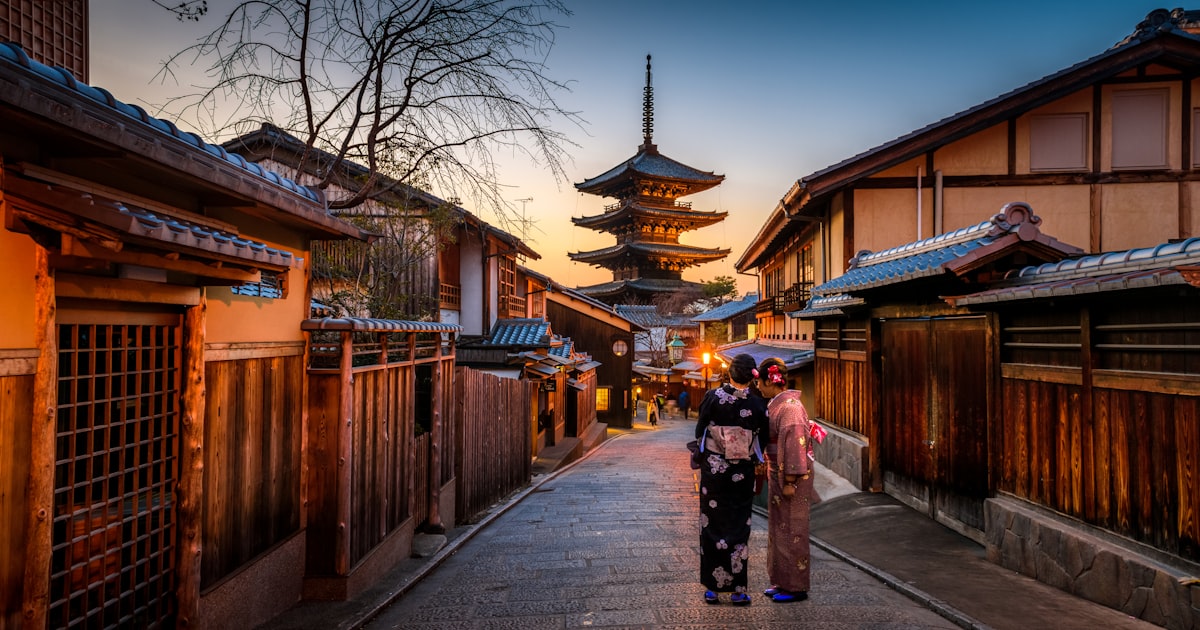
Japan seamlessly blends ancient tradition with cutting-edge modernity. In the same city, you can visit a thousand-year-old shrine in the morning and browse a twelve-story electronics megastore in the afternoon. The country's rail network is legendary for its punctuality, the cuisine is endlessly diverse, and the cultural depth rewards travelers who look beyond surface-level tourism. Whether you have one week or one month, Japan has a way of exceeding every expectation you bring.
Tokyo, Kyoto, and Osaka
Tokyo is a sprawling metropolis of distinct neighborhoods, each with its own personality. Shibuya pulses with youth culture and the famous scramble crossing, Asakusa preserves old Edo charm around Senso-ji temple, and Akihabara overflows with anime and electronics. Shinjuku alone has more restaurants than many entire cities. Kyoto, the former imperial capital, houses over two thousand temples and shrines. Fushimi Inari's vermillion torii gates, Kinkaku-ji's golden pavilion, and the bamboo grove of Arashiyama are unmissable. Osaka earns its reputation as Japan's kitchen through Dotonbori's neon-lit food stalls, where takoyaki and okonomiyaki are served fresh at every turn. The Osaka Castle grounds offer a peaceful contrast to the bustling street food scene below.
Bullet Trains and Getting Around
The Japan Rail Pass is the most cost-effective way to travel between cities. The Shinkansen bullet train connects Tokyo to Kyoto in just two hours and fifteen minutes, reaching speeds of up to 320 kilometers per hour. Key travel tips include:
- Purchase a 7, 14, or 21-day JR Pass before arriving in Japan for significant savings
- Reserve seats on popular routes like the Tokaido Shinkansen during peak seasons
- Use IC cards like Suica or Pasmo for local trains, buses, and convenience store purchases
- Download the Hyperdia or Japan Travel app for real-time schedule planning
- Trains stop running around midnight, so plan evening activities accordingly
Onsen Culture and Etiquette
Japanese hot spring bathing, or onsen, is both a daily ritual and a cultural institution. Natural volcanic springs feed thousands of onsen facilities across the country, from luxurious ryokan inns in Hakone to rustic outdoor baths in the mountains of Tohoku. Proper etiquette matters greatly. You must wash thoroughly at the shower stations before entering the communal bath. Tattoos remain controversial at many onsen, though attitudes are gradually shifting, and some facilities now welcome tattooed guests. Towels should never touch the bath water. The experience of soaking in steaming mineral water while gazing at snow-covered mountains or autumn foliage is genuinely transformative.
Seasonal Highlights and Etiquette Tips
Cherry blossom season in late March through mid-April transforms parks into canopies of pink and white, and hanami picnics beneath the blossoms are a beloved tradition. Autumn brings fiery maple colors from mid-November through early December, particularly stunning in Kyoto and Nikko. Summer festivals called matsuri fill cities with taiko drums, traditional dance, and fireworks displays. Winter is ideal for skiing in Hokkaido and visiting snow monkeys in Nagano. General etiquette reminders include bowing as a greeting, removing shoes when entering homes and many restaurants, speaking quietly on public transport, and never tipping at restaurants or hotels. Learning a few Japanese phrases like "sumimasen" for excuse me and "arigatou gozaimasu" for thank you goes a long way in showing respect.