Iceland: Land of Fire and Ice
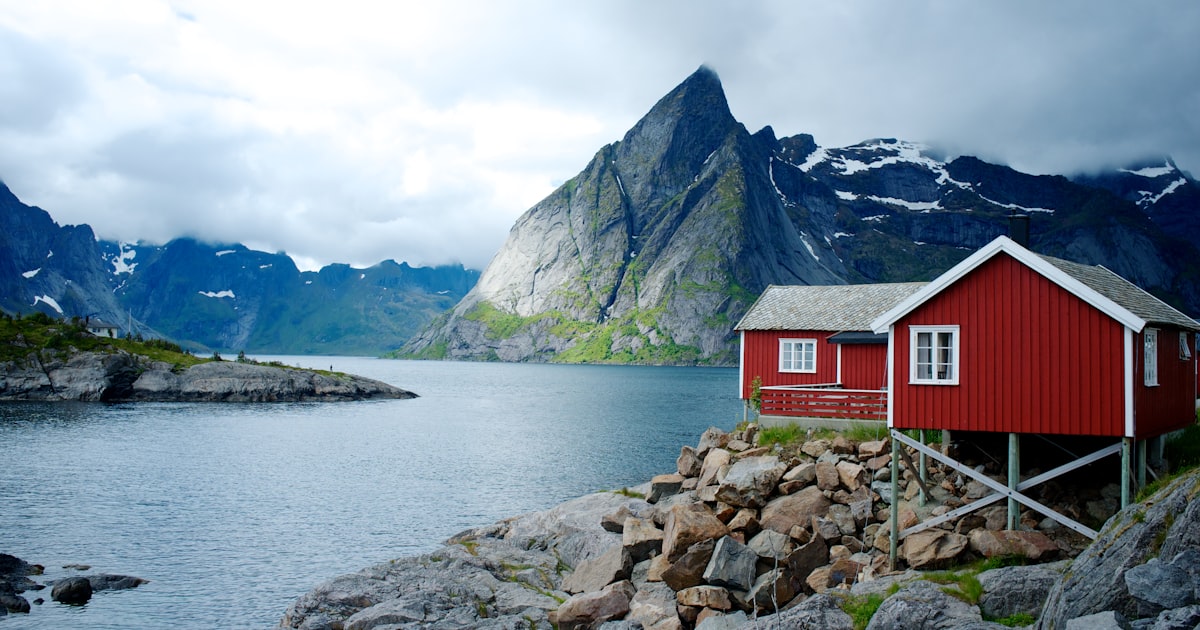
Iceland sits on the Mid-Atlantic Ridge where the North American and Eurasian tectonic plates slowly drift apart, creating a landscape of extremes. Volcanic eruptions sculpt new terrain while glaciers carve ancient valleys. With a population of roughly 370,000 people spread across an island the size of Kentucky, Iceland offers a rare combination of raw natural power and welcoming Scandinavian culture. Visitors arrive expecting dramatic scenery and leave understanding why this small nation consistently ranks among the happiest on Earth.
Geothermal Wonders and the Blue Lagoon
Iceland harnesses its volcanic energy for everyday life. Nearly all homes are heated by geothermal water, and hot springs dot the countryside in every direction. The Blue Lagoon, located on the Reykjanes Peninsula near Keflavik Airport, draws over a million visitors annually with its milky-blue silica-rich waters maintained at a comfortable 37 to 39 degrees Celsius. Beyond the Blue Lagoon, lesser-known alternatives like the Secret Lagoon in Fludir and the Myvatn Nature Baths in the north offer a more tranquil experience. The Strokkur geyser in the Geysir geothermal area erupts every six to ten minutes, launching boiling water up to thirty meters into the air.
Chasing the Northern Lights
The aurora borealis is visible in Iceland from September through March, with peak activity typically occurring between October and February. Success depends on clear skies and solar activity, so checking the Icelandic Met Office forecast is essential. The best viewing spots are away from Reykjavik's light pollution. Popular locations include Thingvellir National Park, the Snaefellsnes Peninsula, and the remote Westfjords. Many tour operators offer Northern Lights excursions with a rebooking guarantee if the aurora fails to appear. Patience is the most important thing you can bring, as conditions can change rapidly throughout the night.
The Ring Road and Beyond
Route 1, known as the Ring Road, circles the entire island across 1,322 kilometers. Most travelers spend seven to ten days completing the loop, stopping at highlights that include:
- Seljalandsfoss and Skogafoss waterfalls along the south coast
- Jokulsarlon glacier lagoon and Diamond Beach, where icebergs wash ashore
- The whale-watching town of Husavik in the north
- Akureyri, the charming capital of the north with its botanical garden
- Snaefellsnes Peninsula, often called Iceland in miniature
While the Ring Road is paved and accessible year-round, winter driving requires caution due to ice, wind, and limited daylight. Summer offers nearly twenty-four hours of sunlight, making it the most popular season, though prices and crowds rise accordingly.
Viking History and Best Time to Visit
Iceland was settled by Norse Vikings around 874 AD, and the Althingi parliament established at Thingvellir in 930 AD is one of the oldest in the world. The Settlement Exhibition in Reykjavik showcases archaeological remains from that era, and the Saga Museum brings Viking stories to life with detailed figures and reconstructions. June through August brings the warmest temperatures averaging 10 to 15 degrees Celsius, the midnight sun, and access to highland roads. September and October offer autumn colors and the return of dark skies for aurora viewing. Winter travelers enjoy lower prices, dramatic storms, and ice cave tours inside Vatnajokull glacier. Whenever you visit, Iceland delivers something extraordinary.