The Internet of Things
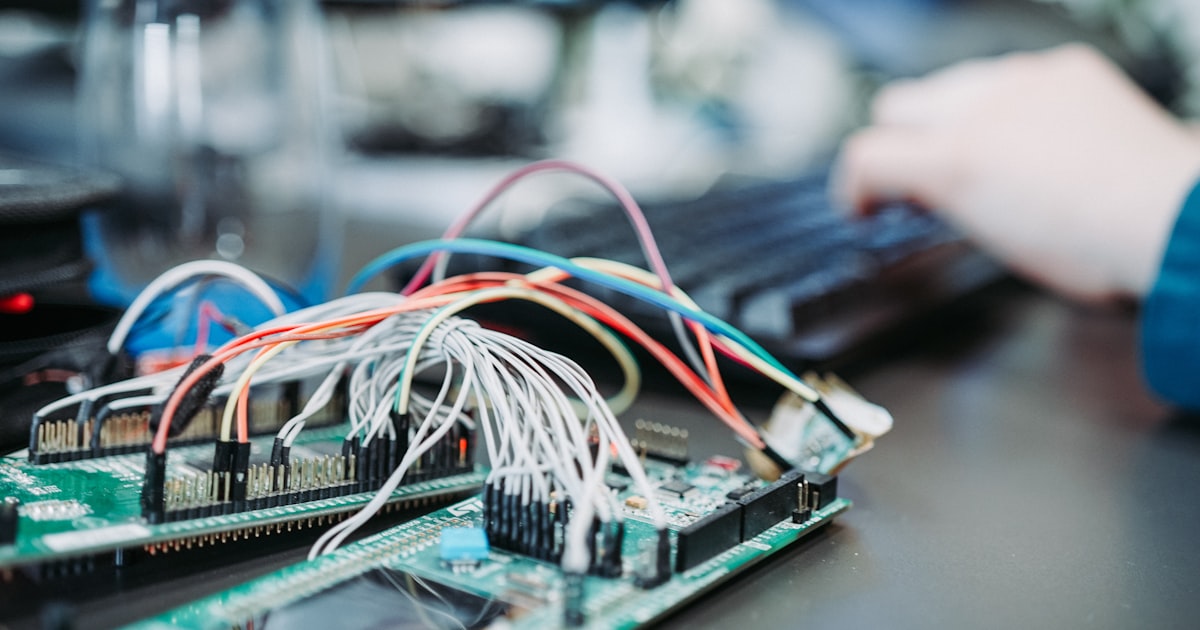
The Internet of Things (IoT) refers to the vast network of physical devices embedded with sensors, software, and connectivity that enables them to collect and exchange data over the internet. From smart thermostats and wearable fitness trackers to industrial sensors monitoring factory equipment, IoT is reshaping how we interact with the physical world by making everyday objects intelligent and interconnected.
Connected Devices and Smart Homes
Consumer IoT has gained widespread adoption through smart home technology. Modern homes can include dozens of connected devices working together to improve comfort, efficiency, and security:
- Smart speakers and assistants: Voice-controlled hubs that manage other devices, answer questions, and automate routines.
- Smart thermostats: Learn occupancy patterns and adjust heating and cooling to save energy while maintaining comfort.
- Connected security systems: Cameras, doorbells, and locks that can be monitored and controlled remotely via smartphone.
- Smart lighting: Bulbs and switches that adjust brightness and color based on time of day, occupancy, or user preferences.
- Wearable devices: Fitness trackers and smartwatches that monitor health metrics like heart rate, sleep quality, and activity levels.
Industrial IoT
The industrial Internet of Things (IIoT) applies connected sensor technology to manufacturing, energy, agriculture, and logistics at scale. Factories use IIoT sensors to monitor equipment health in real time, predicting failures before they occur and reducing unplanned downtime. This practice, known as predictive maintenance, can save manufacturers millions in repair costs and lost production. In agriculture, soil moisture sensors and weather stations help farmers optimize irrigation and crop management. Logistics companies track shipments with GPS and environmental sensors, ensuring goods are transported under proper conditions.
Security Challenges
The rapid proliferation of IoT devices has introduced significant security concerns. Many devices ship with weak default passwords, lack encryption, and receive infrequent or no firmware updates. Each connected device represents a potential entry point for attackers. The Mirai botnet demonstrated this vulnerability dramatically by compromising hundreds of thousands of IoT devices to launch massive distributed denial-of-service attacks. Securing IoT requires a multi-layered approach: manufacturers must build security into devices from the design phase, networks should segment IoT traffic from critical systems, and users need to change default credentials and keep firmware updated.
The Future of IoT
The IoT ecosystem continues to expand rapidly, with projections estimating tens of billions of connected devices worldwide within the next few years. Edge computing is bringing processing power closer to IoT devices, reducing latency and bandwidth requirements. The rollout of 5G networks provides the high-speed, low-latency connectivity that dense IoT deployments demand. Digital twins, virtual replicas of physical systems fed by real-time IoT data, are enabling more sophisticated simulation and optimization. As standards mature and interoperability improves, IoT will become an increasingly seamless and integral part of daily life and industrial operations.