The Future of Space Exploration
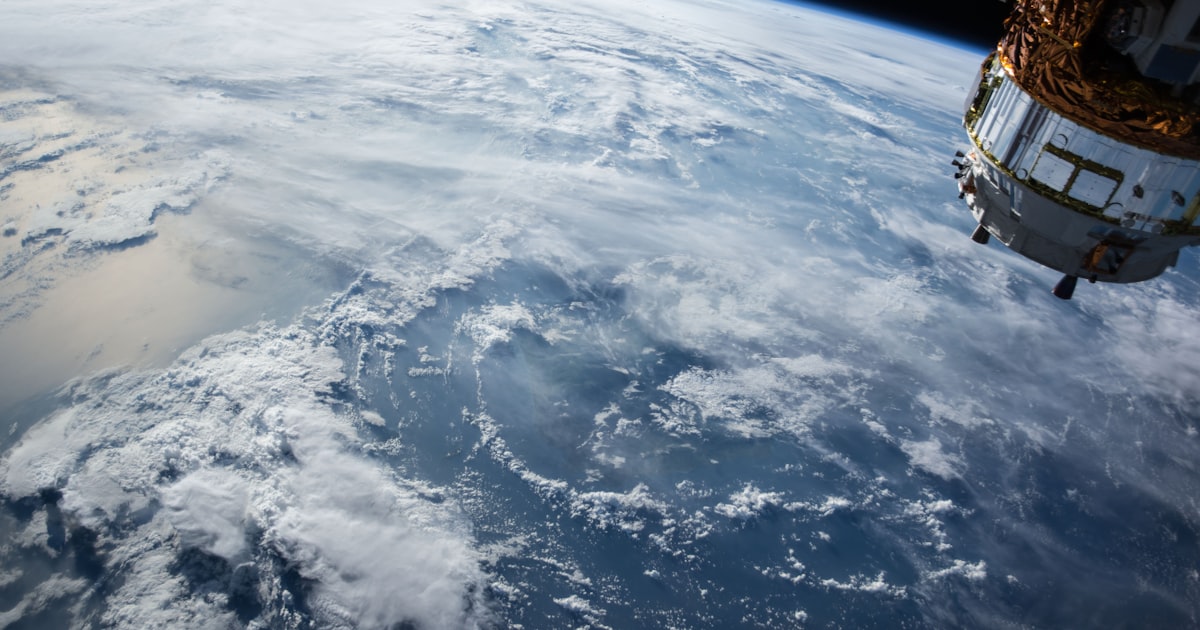
Humanity stands on the brink of a new era in space exploration. After decades of orbiting Earth aboard the International Space Station, space agencies and private companies alike are setting their sights on the Moon, Mars, and beyond. The coming decades promise breakthroughs that could fundamentally change our relationship with the cosmos and redefine what it means to be a spacefaring civilization.
The Artemis Program and the Return to the Moon
NASA's Artemis program represents the most ambitious lunar initiative since Apollo. Unlike the missions of the 1960s and 70s, Artemis aims to establish a sustained human presence on and around the Moon. The program includes the construction of the Lunar Gateway, a small space station orbiting the Moon that will serve as a staging point for surface missions and eventually for deep-space travel. Artemis missions plan to land the first woman and first person of color on the lunar surface, while also exploring the Moon's south pole where water ice deposits could provide critical resources for future inhabitants.
Mars Colonization: The Next Giant Leap
Mars has captivated scientists and engineers for over a century, and serious colonization plans are now taking shape. SpaceX's Starship vehicle is being developed with the explicit goal of transporting large numbers of people and cargo to the Red Planet. The challenges remain immense: Mars has a thin atmosphere composed mostly of carbon dioxide, surface temperatures averaging minus 60 degrees Celsius, and intense radiation due to the lack of a global magnetic field. Overcoming these obstacles will require advances in habitat construction, life support systems, and in-situ resource utilization, the practice of using local materials to produce water, oxygen, and building materials.
The Commercial Space Race
Private companies have transformed the economics of spaceflight. Reusable rocket technology, pioneered by SpaceX and now pursued by Blue Origin, Rocket Lab, and others, has dramatically reduced launch costs. This has opened the door to a thriving commercial ecosystem that includes:
- Satellite mega-constellations providing global broadband internet coverage
- Space tourism ventures offering suborbital and orbital flights to private citizens
- Commercial space stations being developed to replace the aging ISS
- Asteroid mining companies exploring the feasibility of extracting rare metals from near-Earth objects
- On-orbit servicing and manufacturing enterprises
Key Milestones Ahead
Several critical milestones will shape the trajectory of human space exploration in the coming years. The successful deployment of the Lunar Gateway and regular crewed landings at the Moon's south pole will test technologies essential for Mars. Sample return missions from Mars, already underway with the Perseverance rover's cached samples, will provide unprecedented scientific data. Meanwhile, the James Webb Space Telescope and its successors will continue to reveal the nature of exoplanets, potentially identifying worlds with biosignatures that hint at life beyond Earth. The convergence of government programs, commercial innovation, and international cooperation suggests that the golden age of space exploration is not behind us but directly ahead.