The Human Brain: Our Greatest Mystery
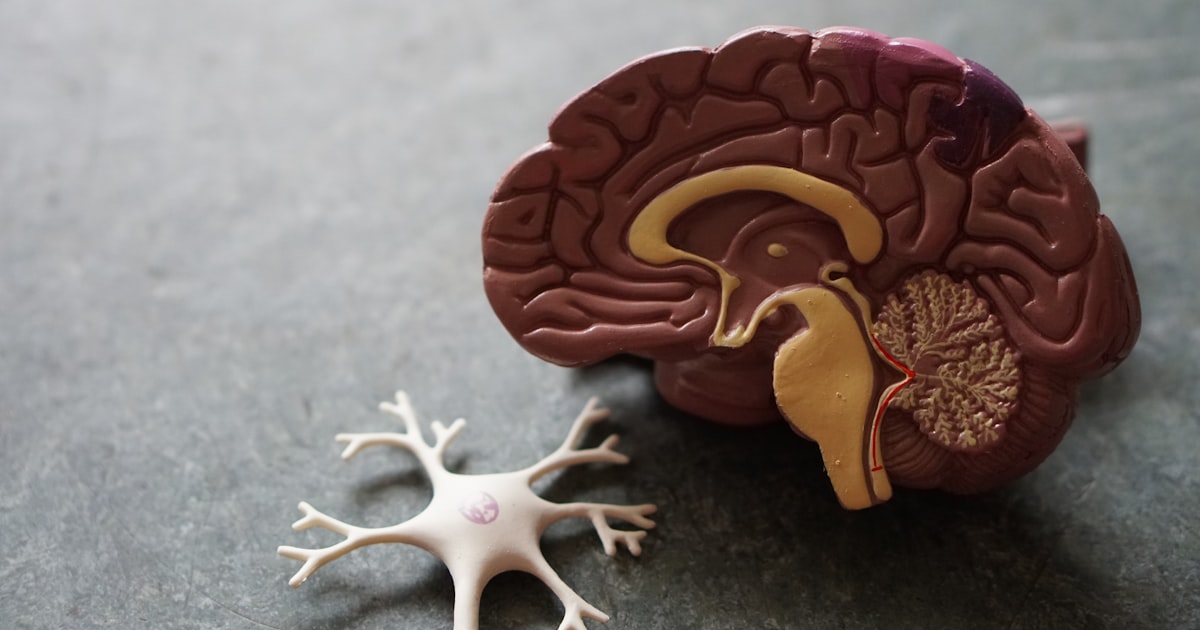
The human brain is arguably the most complex object in the known universe. Weighing roughly 1.4 kilograms and consuming about 20 percent of the body's energy despite being only 2 percent of its mass, this organ governs everything from breathing and heartbeat to language, creativity, and self-awareness. Despite extraordinary advances in neuroscience, we have only begun to scratch the surface of understanding how the brain produces the rich tapestry of human experience.
Brain Structure
The brain is organized into several major regions, each responsible for different functions. The cerebral cortex, the deeply folded outer layer, handles higher-order functions including reasoning, planning, sensory processing, and voluntary movement. It is divided into four lobes: the frontal lobe for decision-making and personality, the parietal lobe for spatial awareness and sensation, the temporal lobe for hearing and memory, and the occipital lobe for vision. Beneath the cortex lie the limbic system structures, including the hippocampus for memory formation and the amygdala for emotional processing. The cerebellum at the back of the brain coordinates movement and balance, while the brainstem regulates vital functions like breathing, heart rate, and sleep cycles.
Neurons and Synapses
The brain contains approximately 86 billion neurons, specialized cells that transmit information through electrical and chemical signals. Each neuron can form thousands of connections, called synapses, with other neurons, creating a network of roughly 100 trillion synaptic connections. Key aspects of neural communication include:
- Action potentials, electrical impulses that travel along a neuron's axon at speeds up to 120 meters per second
- Neurotransmitters such as dopamine, serotonin, and glutamate that carry signals across the synaptic gap between neurons
- Synaptic plasticity, the ability of synapses to strengthen or weaken over time, which underlies learning and memory
- Glial cells, which outnumber neurons and provide structural support, insulation, and immune defense within the nervous system
Consciousness and Neuroplasticity
Perhaps the deepest mystery in neuroscience is consciousness, the subjective experience of being aware. How does the physical activity of neurons give rise to the feeling of seeing red, tasting chocolate, or contemplating one's own existence? This is known as the "hard problem" of consciousness, and no current theory fully explains it. Leading frameworks include integrated information theory, which proposes that consciousness corresponds to a system's capacity to integrate information, and global workspace theory, which suggests that consciousness arises when information is broadcast widely across brain networks.
Neuroplasticity, the brain's ability to reorganize itself by forming new neural connections, is one of the most encouraging discoveries in modern neuroscience. The brain was once thought to be essentially fixed after childhood, but research has shown it remains remarkably adaptable throughout life. Stroke patients can regain lost abilities as healthy brain regions take over damaged functions. Musicians develop enlarged auditory cortices, and London taxi drivers have been shown to have larger hippocampi from navigating complex street networks.
Brain Research Frontiers
Current research is pushing the boundaries of what we know about the brain. Brain-computer interfaces are allowing paralyzed patients to control robotic limbs and type on screens using thought alone. Optogenetics enables researchers to switch specific neurons on and off with light, revealing the circuits underlying behavior. Large-scale mapping projects aim to create a complete wiring diagram, or connectome, of the human brain. Meanwhile, advances in artificial intelligence are both drawing inspiration from and shedding light on neural computation, raising fascinating questions about whether machines can ever truly replicate the capabilities of the biological brain.