Mysteries of the Deep Ocean
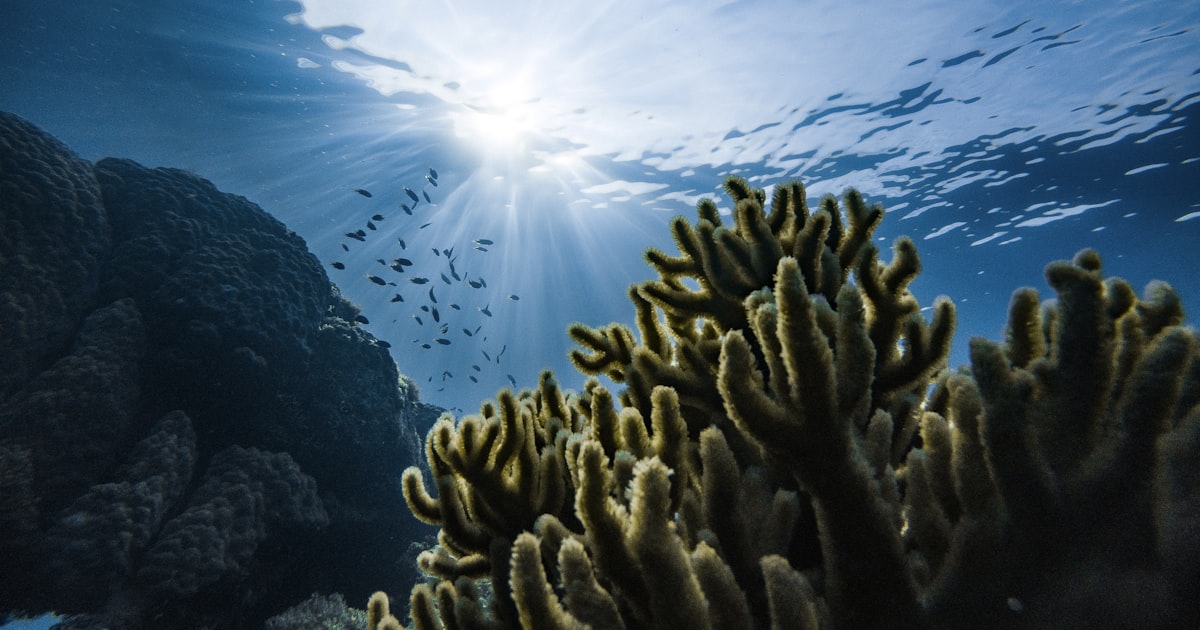
The deep ocean remains one of the least explored frontiers on our own planet. More than 80 percent of the ocean floor has never been mapped, observed, or explored. Beneath the sunlit surface lies a world of crushing pressure, perpetual darkness, and astonishing biodiversity that continues to challenge our understanding of life itself.
Ocean Zones and Extreme Conditions
The ocean is divided into distinct layers, each with dramatically different conditions. The sunlight zone extends to about 200 meters, where photosynthesis sustains most marine life. Below that, the twilight zone reaches 1,000 meters, where light fades to near-total darkness. The midnight zone extends to 4,000 meters, followed by the abyssal zone reaching 6,000 meters, and finally the hadal zone, which plunges into oceanic trenches beyond 6,000 meters. In the deepest regions, water pressure exceeds 1,000 atmospheres, temperatures hover just above freezing, and no sunlight ever penetrates. Yet life thrives even here, adapted through millions of years of evolution to conditions that would be instantly lethal to surface organisms.
Bioluminescence and Hydrothermal Vents
One of the most remarkable features of the deep ocean is bioluminescence, the ability of organisms to produce their own light through chemical reactions. An estimated 76 percent of deep-sea creatures are bioluminescent, using light for communication, predation, camouflage, and mating. Anglerfish dangle glowing lures to attract prey, while certain squid release clouds of luminescent ink to confuse predators.
Hydrothermal vents, discovered in 1977, revolutionized our understanding of life's requirements. These underwater geysers spew mineral-rich water heated to over 400 degrees Celsius by volcanic activity beneath the ocean floor. Around these vents, entire ecosystems thrive without sunlight, powered instead by chemosynthetic bacteria that convert hydrogen sulfide into energy. The organisms found at vents include:
- Giant tube worms up to two meters long that lack mouths and digestive systems, relying entirely on symbiotic bacteria
- Yeti crabs covered in filamentous bacteria that they cultivate on their hairy claws
- Scaly-foot snails with iron-mineralized shells, the only known animal to incorporate iron sulfide into its skeleton
- Ghostly white octopuses, shrimp, and specialized fish adapted to extreme heat and chemical toxicity
The Mariana Trench
The Mariana Trench in the western Pacific Ocean is the deepest known point on Earth, reaching approximately 10,935 meters at Challenger Deep. Only a handful of crewed missions have ever reached its floor. In 1960, Jacques Piccard and Don Walsh made the first descent in the bathyscaphe Trieste, and in 2012, filmmaker James Cameron completed a solo dive. Despite the extreme conditions, life persists even at the very bottom, with amphipods, sea cucumbers, and microbial communities found in sediment samples.
Why Deep Ocean Exploration Matters
Studying the deep ocean has direct relevance to medicine, climate science, and even astrobiology. Deep-sea organisms produce unique biochemical compounds with potential pharmaceutical applications. The ocean absorbs roughly 30 percent of the carbon dioxide humans emit, and deep-water circulation patterns play a crucial role in regulating global climate. Furthermore, understanding how life survives at hydrothermal vents informs the search for life on ocean worlds like Jupiter's moon Europa and Saturn's moon Enceladus, where similar conditions may exist beneath icy crusts.