Understanding Climate Science
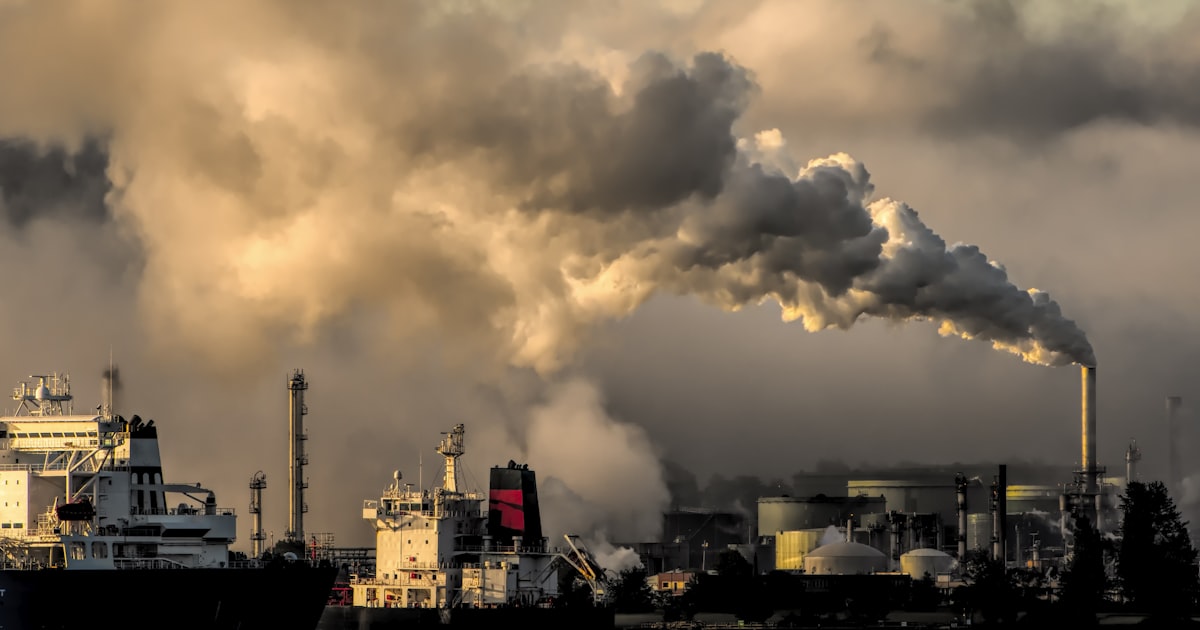
Climate science is the study of long-term weather patterns and the physical processes that drive them. Over the past century, a vast body of evidence from atmospheric physics, oceanography, geology, and biology has converged on a clear conclusion: human activities are fundamentally altering Earth's climate system, with consequences that will unfold for centuries to come.
The Greenhouse Effect
Earth's climate is regulated by the greenhouse effect, a natural process in which certain gases in the atmosphere trap heat radiated from the planet's surface. Without this effect, Earth's average temperature would be roughly minus 18 degrees Celsius instead of the habitable 15 degrees we enjoy. The primary greenhouse gases include water vapor, carbon dioxide, methane, nitrous oxide, and ozone. Since the Industrial Revolution, human activities, primarily the burning of fossil fuels and deforestation, have increased atmospheric carbon dioxide concentrations from about 280 parts per million to over 420 parts per million. This enhanced greenhouse effect is the principal driver of observed global warming.
Climate Models and Observed Changes
Climate models are sophisticated computer simulations that represent the interactions between the atmosphere, oceans, land surface, and ice. These models divide Earth into three-dimensional grid cells and solve fundamental equations of physics to project how the climate system will respond to different scenarios of greenhouse gas emissions. Modern climate models have been validated against historical observations and can accurately reproduce past temperature trends, volcanic cooling events, and seasonal cycles. Observed changes consistent with model predictions include:
- Global average surface temperatures rising approximately 1.2 degrees Celsius above pre-industrial levels
- Arctic sea ice declining at a rate of about 13 percent per decade since satellite records began in 1979
- Sea levels rising at an accelerating rate, currently about 3.6 millimeters per year
- Ocean acidification as seawater absorbs excess carbon dioxide, threatening coral reefs and shellfish
- Increased frequency and intensity of heatwaves, heavy precipitation events, and droughts
Feedback Loops
Climate change is amplified by feedback mechanisms that can accelerate or moderate warming. The ice-albedo feedback is one of the most significant: as ice and snow melt, they expose darker ocean and land surfaces that absorb more solar radiation, which causes further warming and more melting. Permafrost thaw releases stored methane and carbon dioxide, adding to greenhouse gas concentrations. Water vapor feedback occurs because a warmer atmosphere holds more moisture, and since water vapor is itself a greenhouse gas, this amplifies warming further. Cloud feedbacks remain one of the largest uncertainties in climate projections, as different types of clouds can either warm or cool the planet depending on their altitude and composition.
Mitigation Strategies
Addressing climate change requires a combination of reducing emissions and removing carbon from the atmosphere. The transition from fossil fuels to renewable energy sources such as solar, wind, and nuclear power is central to mitigation efforts. Energy efficiency improvements in buildings, transportation, and industry can significantly reduce emissions. Carbon capture and storage technologies aim to trap emissions at their source or remove carbon dioxide directly from the air. Nature-based solutions, including reforestation and soil carbon management, offer additional pathways. International frameworks like the Paris Agreement seek to coordinate global action, with the goal of limiting warming to well below 2 degrees Celsius above pre-industrial levels.