Ancient Egypt: Land of the Pharaohs
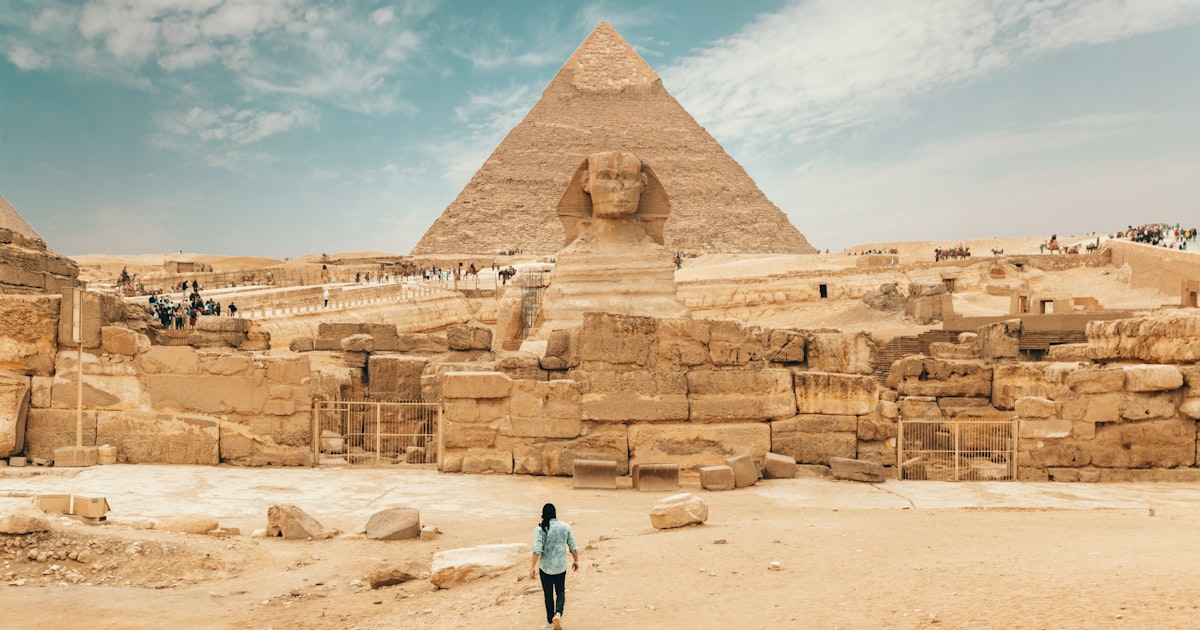
Ancient Egypt stands as one of the most fascinating and enduring civilizations in human history. Flourishing along the banks of the Nile River for over three thousand years, from approximately 3100 BCE to 30 BCE, Egyptian civilization produced architectural wonders, a complex writing system, and a rich religious tradition that continue to captivate people around the world.
The Pyramids and Monumental Architecture
The Great Pyramid of Giza, built around 2560 BCE for Pharaoh Khufu, remains one of the most remarkable structures ever constructed. Standing 481 feet tall and composed of an estimated 2.3 million limestone blocks, each weighing an average of 2.5 tons, the pyramid was the tallest man-made structure on Earth for nearly 4,000 years. The precision of its construction is astonishing: the base is level to within less than an inch across its 756-foot length. The pyramids served as royal tombs, designed to protect the pharaoh's body and possessions for the afterlife. Later pharaohs shifted to hidden tombs in the Valley of the Kings, though monumental temples such as Karnak and Luxor continued the tradition of grand-scale construction.
Hieroglyphics and Writing
The Egyptian writing system was one of the earliest in the world. Hieroglyphics, meaning "sacred carvings," combined logographic and alphabetic elements in a system of over 700 distinct symbols. Scribes held an elite position in society, spending years mastering the complex script. Key facts about Egyptian writing include:
- Hieratic script was developed as a simplified cursive form for everyday administrative use
- Demotic script emerged later as an even more streamlined writing system
- The Rosetta Stone, discovered in 1799, enabled modern scholars to finally decipher hieroglyphics
- Papyrus, made from the pith of the papyrus plant, served as the primary writing material
Daily Life and Religion
Most ancient Egyptians were farmers whose lives revolved around the agricultural cycle of the Nile. They grew wheat, barley, flax, and various vegetables. Beer and bread were dietary staples consumed by all social classes. Families were close-knit, and women enjoyed relatively high status compared to other ancient societies, with rights to own property, initiate divorce, and conduct business.
Religion permeated every aspect of Egyptian life. The Egyptians worshipped a vast pantheon of gods, including Ra the sun god, Osiris the lord of the underworld, Isis the goddess of magic and motherhood, and Anubis the jackal-headed god of embalming. The concept of Ma'at, representing truth, order, and cosmic balance, was central to both religious belief and governance. Egyptians believed strongly in an afterlife, which drove the practice of mummification and the construction of elaborate tombs filled with goods the deceased would need in the next world.
The Nile: Lifeblood of a Civilization
The Nile River was the foundation upon which all of Egyptian civilization rested. Its annual flooding deposited rich silt across the floodplain, creating extraordinarily fertile farmland in the midst of one of the world's harshest deserts. The Egyptians developed sophisticated irrigation systems to manage the floodwaters and extend cultivation. The Nile also served as the primary transportation route, connecting Upper and Lower Egypt and facilitating trade, communication, and governance across a kingdom that stretched over 600 miles along the river's course.