The Age of Exploration
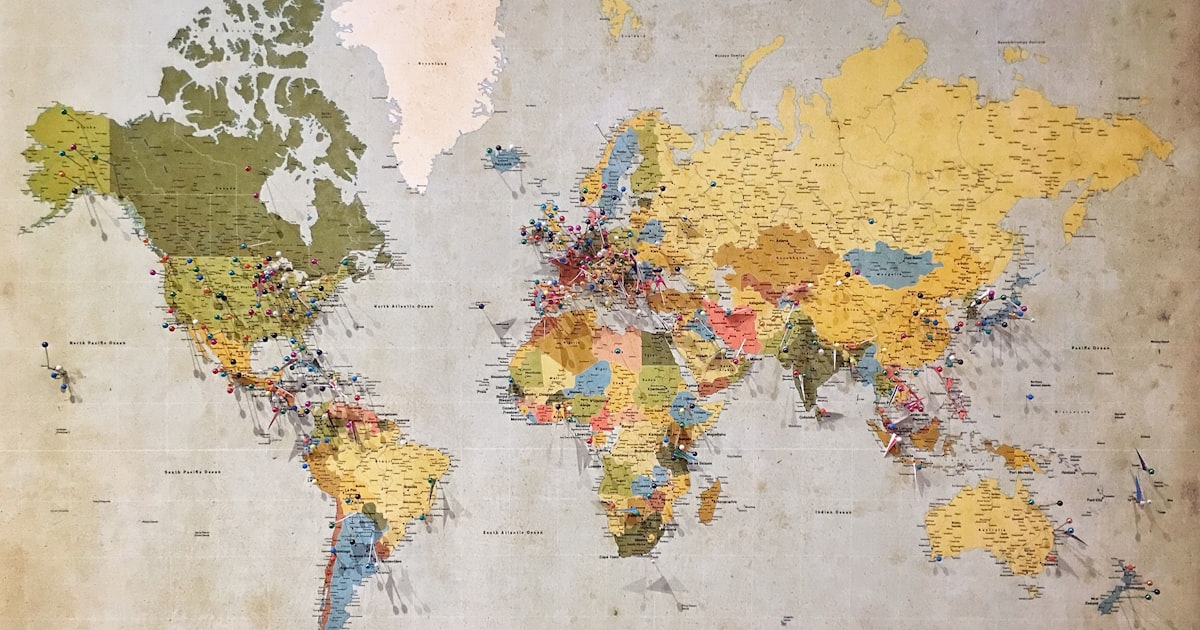
The Age of Exploration, spanning roughly from the early 15th century to the early 17th century, was a period during which European sailors ventured into uncharted waters, mapping coastlines, discovering previously unknown lands, and establishing networks of trade and colonization that would permanently connect the world's continents. This era of maritime discovery reshaped global politics, economics, and culture in ways that continue to resonate today.
Motivations for Exploration
Several powerful forces drove Europeans to undertake perilous ocean voyages. The desire for direct access to the lucrative spice trade was paramount: spices such as pepper, cinnamon, and cloves from Southeast Asia commanded enormous prices in European markets, and the Ottoman Empire's control of overland routes made these goods even more expensive. Beyond commerce, the spread of Christianity served as a powerful religious motivation, with monarchs and popes alike eager to bring new peoples under the banner of the faith. Intellectual curiosity fueled by Renaissance humanism also played a role, as scholars and navigators sought to test ancient geographical theories. National rivalry pushed competing powers to claim new territories, while individual explorers were driven by ambitions of personal glory and wealth.
Key Explorers and Voyages
Portugal led the early wave of exploration under the patronage of Prince Henry the Navigator. Notable voyages and their achievements include:
- Bartolomeu Dias rounded the Cape of Good Hope in 1488, proving a sea route to Asia was possible
- Christopher Columbus, sailing for Spain, reached the Caribbean in 1492, initiating sustained European contact with the Americas
- Vasco da Gama reached India by sea in 1498, opening direct maritime trade between Europe and Asia
- Ferdinand Magellan's expedition (1519–1522) completed the first circumnavigation of the globe
- Francis Drake became the first Englishman to circumnavigate the world in 1577–1580
Navigation Technology
Advances in navigation technology made long-distance ocean voyages possible. The magnetic compass, adopted from Chinese invention, allowed sailors to determine direction even when clouds obscured the sky. The astrolabe and later the cross-staff enabled navigators to measure the altitude of celestial bodies and calculate latitude. Portuguese and Spanish cartographers produced increasingly accurate maps and maritime charts known as portolan charts. The development of the caravel, a small but sturdy ship with lateen sails, gave explorers the ability to sail against the wind and navigate shallow coastal waters. These technological improvements, combined with growing knowledge of wind patterns and ocean currents, gradually transformed ocean navigation from a terrifying gamble into a more predictable science.
Consequences and Trade Routes
The consequences of the Age of Exploration were immense and often devastating. The Columbian Exchange brought crops such as potatoes, tomatoes, and maize from the Americas to Europe and Africa, while wheat, horses, and cattle traveled in the opposite direction. However, European contact also introduced diseases like smallpox, measles, and influenza to indigenous populations who had no immunity, resulting in catastrophic demographic collapses that killed millions. Colonial exploitation and the transatlantic slave trade inflicted enormous suffering on indigenous peoples and Africans. New global trade routes connected Europe, Africa, Asia, and the Americas in a web of commerce that generated enormous wealth for European colonial powers while fundamentally altering the economies and societies of colonized regions. The world that emerged from the Age of Exploration was interconnected in ways that would have been unimaginable just a century earlier.