Yoga: Ancient Practice, Modern Benefits
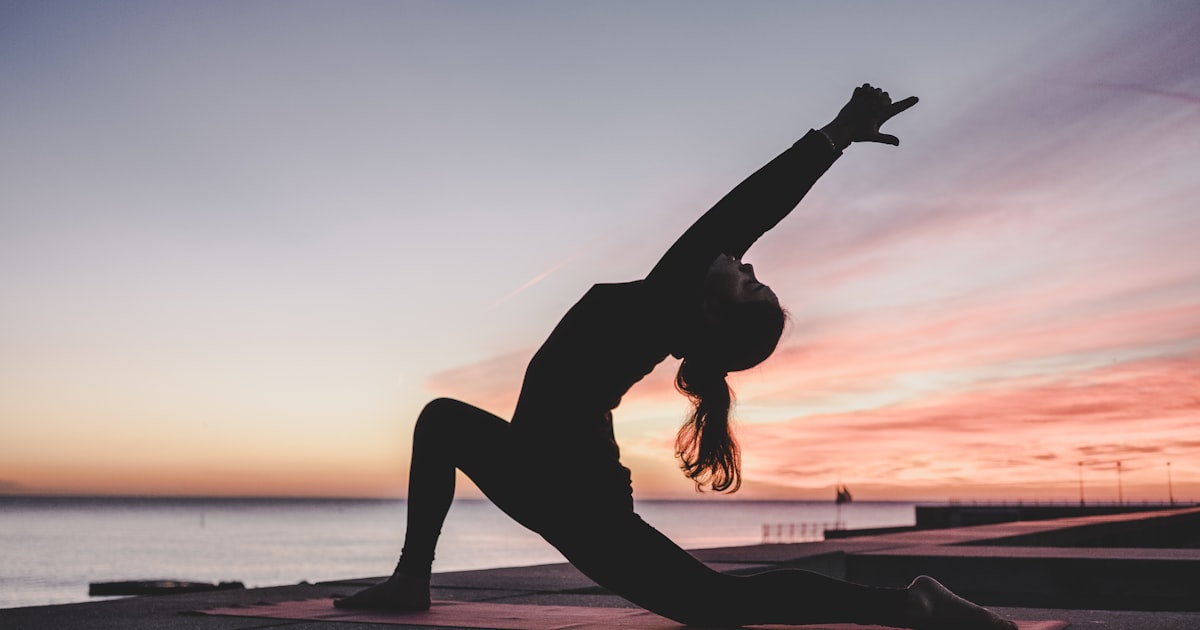
Yoga is one of humanity's oldest systematic approaches to physical, mental, and spiritual well-being. Originating in the Indian subcontinent over 5,000 years ago, it has evolved from a primarily meditative and philosophical discipline into a global phenomenon practiced by hundreds of millions of people. Modern yoga encompasses an enormous variety of styles and intentions, from vigorous athletic sessions to gentle restorative practices, yet all share roots in a tradition that views the body and mind as fundamentally interconnected.
A Brief History of Yoga
The earliest references to yoga appear in the Rig Veda, one of the oldest known texts, where the term is associated with disciplined practice and spiritual striving. The Yoga Sutras of Patanjali, compiled around the second century BCE, codified yoga into an eightfold path encompassing ethical conduct, physical postures, breath control, and meditation. For most of its history, the physical posture practice known as asana constituted only a small component of yoga's broader philosophical system. It was not until the early twentieth century that teachers such as Tirumalai Krishnamacharya and his students, including B.K.S. Iyengar and Pattabhi Jois, developed the physically rigorous asana sequences that would later spread to the West and become the dominant form of yoga practiced today.
Major Styles of Yoga
The diversity of modern yoga means there is a style suited to virtually every individual and goal. Understanding the differences helps practitioners select an appropriate entry point:
- Hatha yoga: A general term for physically-based yoga; classes tend to be slower-paced and suitable for beginners
- Vinyasa yoga: Links breath with movement in flowing sequences; more dynamic and physically demanding
- Ashtanga yoga: A fixed series of postures performed in a specific order with synchronized breathing; physically intense and highly structured
- Iyengar yoga: Emphasizes precise alignment and uses props such as blocks, straps, and bolsters; excellent for injury rehabilitation
- Yin yoga: Involves holding passive floor poses for three to five minutes to target connective tissues and promote deep flexibility
- Restorative yoga: Uses extensive props to support the body in gentle poses held for extended periods, activating the parasympathetic nervous system
Physical and Mental Health Benefits
Research consistently demonstrates that regular yoga practice improves flexibility, balance, muscular strength, and joint mobility. Studies published in the Annals of Internal Medicine found yoga to be as effective as physical therapy for chronic lower back pain. Beyond the musculoskeletal system, yoga has been shown to reduce blood pressure, lower cortisol levels, improve respiratory function, and enhance cardiovascular health markers. The mental health benefits are equally significant. Controlled trials have demonstrated reductions in symptoms of anxiety, depression, and post-traumatic stress disorder among regular practitioners. The combination of physical movement, breath regulation, and mindful attention appears to produce synergistic effects that exceed those of conventional exercise alone.
Getting Started with Yoga
Beginning a yoga practice requires minimal equipment: a mat, comfortable clothing, and willingness to explore. Beginners benefit from attending classes led by qualified instructors who can offer modifications and correct alignment, reducing injury risk. Many studios offer introductory packages or donation-based classes to lower the barrier to entry. If attending in person is impractical, numerous high-quality online platforms provide guided sessions for all levels. Start with two to three sessions per week, each lasting 30 to 60 minutes, and allow your body time to adapt to new movement patterns. Avoid comparing yourself to others in class, as yoga is inherently a personal practice focused on your own progress and awareness rather than competition.