The Science of Strength Training
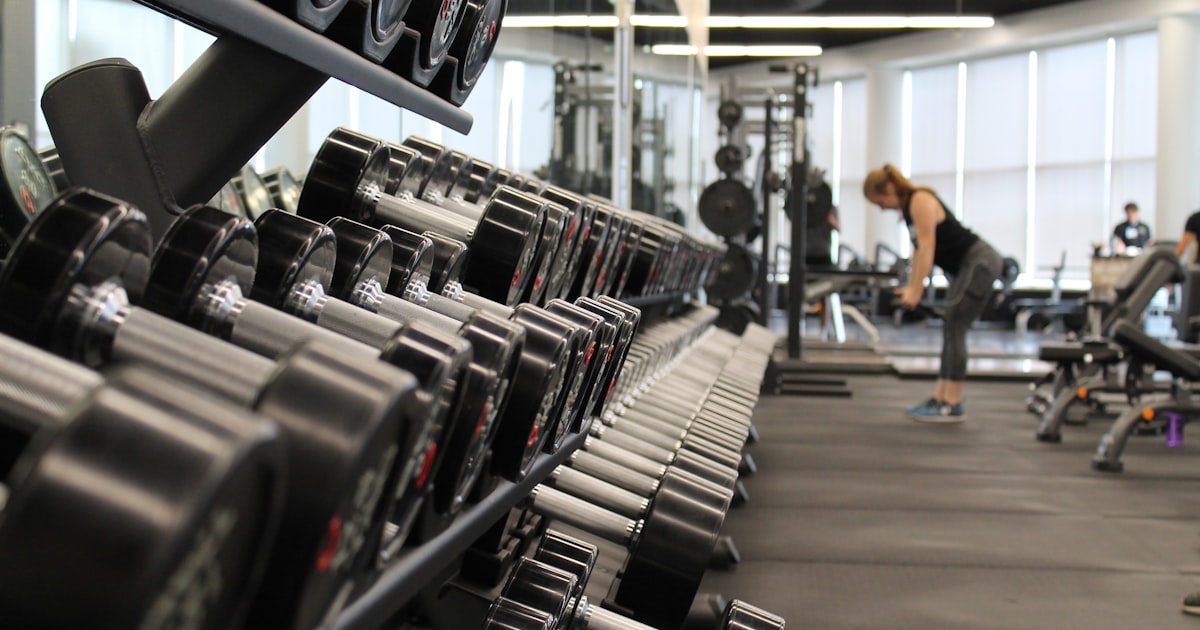
Strength training is far more than simply lifting heavy objects. It is a systematic process grounded in physiology and biomechanics that, when properly understood, allows individuals to transform their bodies, improve their health, and build lasting resilience. Whether you are a beginner or an experienced lifter, understanding the science behind resistance exercise can dramatically improve your results.
How Muscles Grow
Muscle hypertrophy occurs when the rate of muscle protein synthesis exceeds the rate of muscle protein breakdown. During resistance exercise, mechanical tension placed on muscle fibers causes microscopic damage to the sarcomeres, the contractile units within each fiber. This damage triggers a cascade of inflammatory and hormonal responses that recruit satellite cells to the damaged area, where they fuse with existing fibers to repair and enlarge the muscle tissue. Over time, repeated bouts of this stress-recovery cycle lead to measurable increases in both muscle cross-sectional area and strength output. The process requires adequate protein intake, typically between 1.6 and 2.2 grams per kilogram of body weight per day, alongside sufficient caloric energy to fuel repair.
Progressive Overload: The Key Principle
Progressive overload is the foundational concept of strength training. It states that muscles must be subjected to gradually increasing demands in order to continue adapting. Without progressive overload, the body reaches a homeostatic plateau and stops growing stronger. Overload can be achieved through several variables:
- Increasing the weight lifted each session or week
- Adding repetitions or sets with the same load
- Reducing rest periods between sets to increase density
- Improving range of motion or tempo to increase time under tension
- Increasing training frequency for a given muscle group
A well-designed program manipulates these variables in structured cycles, often referred to as periodization, to prevent staleness and reduce injury risk.
Compound vs. Isolation Exercises
Compound exercises involve multiple joints and muscle groups working together. Movements like squats, deadlifts, bench presses, and rows recruit large amounts of muscle mass simultaneously, making them highly efficient for building overall strength and stimulating hormonal responses favorable to growth. Isolation exercises, such as bicep curls, leg extensions, and lateral raises, target a single muscle group and are valuable for addressing weak points or achieving balanced aesthetics. Most effective programs prioritize compound lifts as the core of each session and use isolation work as supplementary volume.
Recovery and Programming Basics
Recovery is where adaptation actually occurs. Training provides the stimulus, but growth happens during rest. Most individuals benefit from training each muscle group two to three times per week with at least 48 hours of recovery between sessions targeting the same muscles. Sleep quality is critical, as growth hormone release peaks during deep sleep stages. Beginners typically respond well to full-body routines performed three times weekly, while intermediate and advanced trainees may benefit from upper-lower splits or push-pull-legs rotations that allow greater volume per session without excessive fatigue. Tracking your workouts in a log ensures consistent application of progressive overload and provides objective data to guide programming adjustments over time.