Poker Strategy and Psychology
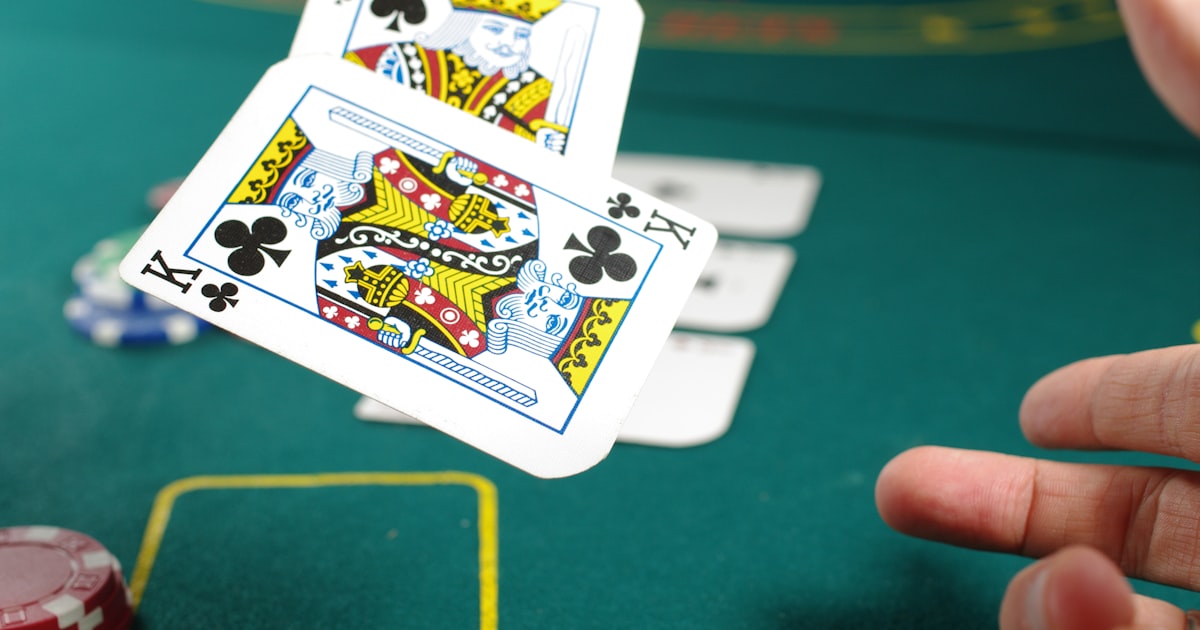
Poker stands apart from most card games because it is fundamentally a game of incomplete information. Unlike chess, where both players can see the entire board, poker forces players to make decisions under uncertainty, blending mathematical precision with psychological warfare. The best players combine rigorous probability analysis with an uncanny ability to read human behavior.
Game Variants
While hundreds of poker variants exist, a few dominate competitive play. Texas Hold'em is by far the most popular, with each player receiving two private cards and sharing five community cards. Omaha gives players four hole cards but requires exactly two to be used, creating more complex hand possibilities. Seven-Card Stud, once the dominant form of poker, deals each player a mix of face-up and face-down cards across multiple betting rounds with no community cards. Pot-Limit Omaha has surged in popularity among high-stakes players due to its action-heavy nature and greater variance.
Probability and Odds
Successful poker play requires a solid grasp of probability. Players must constantly calculate pot odds, which compare the size of the current bet to the total pot, and implied odds, which factor in expected future betting. Key mathematical concepts include:
- Outs: Count the number of remaining cards that will improve your hand. With a flush draw after the flop, you have roughly 9 outs.
- The rule of 2 and 4: Multiply your outs by 4 after the flop (or by 2 after the turn) for an approximate percentage chance of hitting your draw.
- Expected value (EV): Every decision should be evaluated based on its long-term expected value, not the outcome of any single hand.
- Fold equity: The additional value gained when a bet or raise causes opponents to fold hands that might have otherwise won.
Reading Opponents and Psychology
The psychological dimension of poker is what elevates it beyond pure mathematics. Physical tells, such as changes in breathing patterns, hand tremors, or eye movements, can reveal the strength of an opponent's hand. In online poker, timing tells and bet-sizing patterns replace physical reads. The concept of "leveling" describes the recursive thinking process: I think he thinks I think he has a strong hand. Great players like Daniel Negreanu and Phil Ivey are renowned for their ability to narrow opponents' ranges through behavioral observation alone. Emotional control, often called "tilt management," is equally critical. Players who allow frustration or overconfidence to dictate their actions invariably make costly mistakes.
Bankroll Management and Famous Tournaments
Even the best strategy is meaningless without proper bankroll management. Professional players typically keep 20 to 30 buy-ins for their regular stake level, ensuring that natural variance does not wipe them out during inevitable downswings. The golden rule is never to risk more than 5% of your total bankroll on a single session.
The World Series of Poker (WSOP), held annually in Las Vegas since 1970, remains the most prestigious tournament series in the world. Its Main Event, a $10,000 buy-in No-Limit Hold'em tournament, has created legends like Chris Moneymaker, whose 2003 victory as an amateur qualifier sparked the global poker boom. The World Poker Tour (WPT) and European Poker Tour (EPT) have further expanded the competitive circuit, while online platforms continue to produce new generations of elite players who hone their skills through millions of hands of practice.