The Rise of Esports
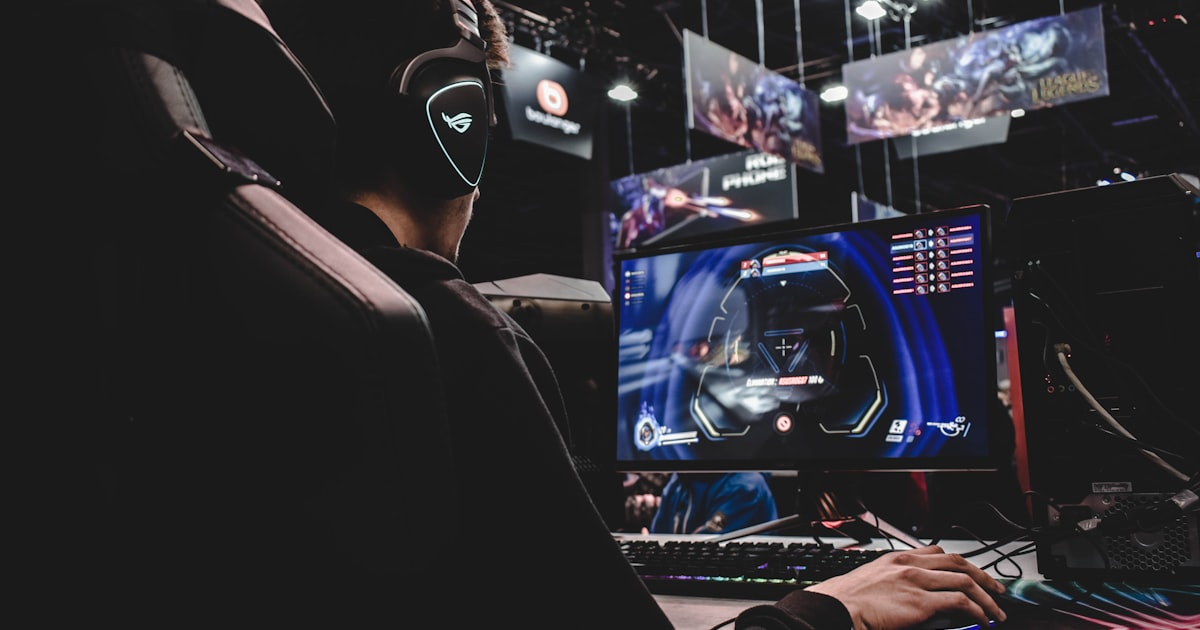
Esports, or electronic sports, refers to organized competitive video gaming at a professional level. What was once dismissed as a fringe hobby has exploded into a global industry worth over $1.8 billion annually, with audiences rivaling those of traditional sports. Professional gamers now train with the same intensity as Olympic athletes, complete with coaches, nutritionists, and sports psychologists.
A Brief History of Competitive Gaming
Competitive gaming traces its roots to the 1972 "Intergalactic Spacewar Olympics" at Stanford University, where students competed for a year's subscription to Rolling Stone magazine. The 1980s arcade era brought high-score competitions, with players like Billy Mitchell becoming household names through games like Donkey Kong and Pac-Man. The true turning point came in 1997 when the Cyberathlete Professional League launched, bringing structured tournament play to first-person shooters like Quake. South Korea pioneered the professional esports model in the late 1990s with StarCraft: Brood War, establishing dedicated television channels and packed arenas for gaming competitions.
Major Titles and Professional Leagues
Today's esports landscape spans multiple genres, each with its own thriving competitive ecosystem:
- League of Legends (LoL): Riot Games' MOBA dominates global viewership, with the World Championship regularly attracting over 100 million viewers.
- Counter-Strike 2: Valve's tactical shooter remains the cornerstone of FPS esports, with tournaments run by ESL and BLAST Premier.
- Dota 2: Known for The International, which has offered some of the largest prize pools in esports history, exceeding $40 million in a single event.
- Valorant: Riot's tactical shooter has rapidly built a global circuit with franchised leagues across the Americas, EMEA, and Pacific regions.
- Fighting games: The FGC (Fighting Game Community) sustains a grassroots culture around titles like Street Fighter 6 and Tekken 8, anchored by the annual Evolution Championship Series (EVO).
Prize Pools and Professional Infrastructure
The financial scale of esports has grown staggering. Dota 2's The International 2021 offered a prize pool of over $40 million, funded largely through in-game purchases. Franchise leagues modeled after traditional sports, such as the League of Legends Championship Series (LCS) and the Overwatch League, have attracted investments from traditional sports owners, including the owners of NFL, NBA, and Premier League teams. Player salaries at the top level now range from hundreds of thousands to several million dollars annually, supplemented by sponsorship deals and streaming revenue.
Streaming Culture and the Future
Platforms like Twitch, YouTube Gaming, and Kick have transformed esports consumption. Live streaming allows fans to watch their favorite players practice, interact in real-time through chat, and build parasocial relationships that deepen engagement. Top streamers like Faker, s1mple, and Shroud have become cultural icons transcending the gaming world. The rise of co-streaming, where content creators broadcast official tournament feeds with their own commentary, has further democratized esports media.
Looking ahead, esports continues to push toward mainstream recognition. The 2022 Asian Games in Hangzhou included esports as an official medal event for the first time, and discussions about Olympic inclusion remain active. As mobile esports grow rapidly in regions like Southeast Asia and Latin America, the global footprint of competitive gaming shows no signs of slowing.