The Board Game Renaissance
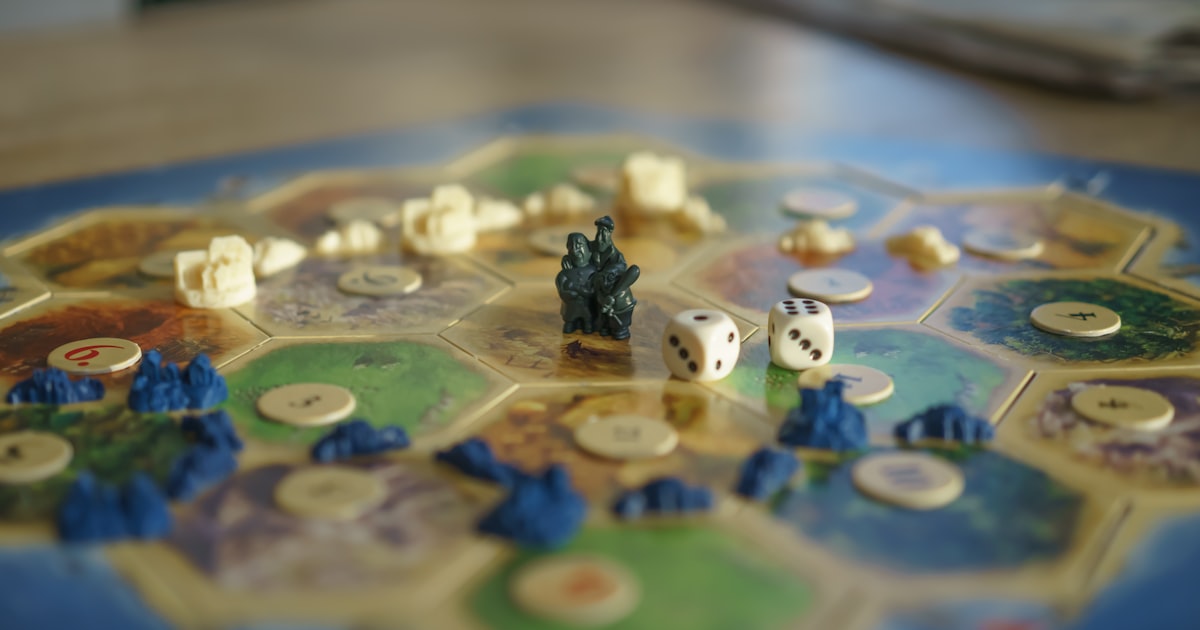
We are living in a golden age of board games. While the mass market once offered little beyond Monopoly, Risk, and Scrabble, today's tabletop landscape features thousands of innovative titles released every year, supported by a passionate global community and a multi-billion-dollar industry. This is the board game renaissance, and it shows no signs of slowing down.
The Rise of Modern Designer Games
The modern board game movement began in Germany during the 1990s with the emergence of what are now called Eurogames, or designer games. Unlike traditional American mass-market games that relied heavily on luck and player elimination, Eurogames emphasized strategic decision-making, indirect competition, and elegant mechanics. The publication of Settlers of Catan by Klaus Teuber in 1995 was a watershed moment. Catan introduced millions of players worldwide to resource management, trading, and modular boards, proving that board games could be both accessible and strategically rich. Other landmark titles from this era include Carcassonne, Ticket to Ride, and Puerto Rico.
Eurogames vs. Ameritrash
The board game community often draws a playful distinction between two broad design philosophies:
- Eurogames prioritize strategy, resource management, and minimal luck. Player interaction tends to be indirect, through competing for shared resources rather than direct conflict. Examples include Agricola, Terraforming Mars, and Wingspan.
- Ameritrash (a term used affectionately) emphasizes theme, narrative, and dramatic moments. Dice rolling, combat, and direct player conflict feature prominently. Examples include Gloomhaven, Twilight Imperium, and Mansions of Madness.
- Hybrid designs increasingly blend both traditions, combining deep strategy with immersive theming. Games like Scythe, Spirit Island, and Root exemplify this trend.
In practice, most modern gamers enjoy titles from across this spectrum, and the best designers draw freely from both traditions.
The Kickstarter Revolution
Crowdfunding has fundamentally transformed the board game industry. Kickstarter has become the primary launchpad for new tabletop projects, allowing designers to gauge demand, fund production, and build communities before a single box is manufactured. Campaigns for games like Kingdom Death: Monster, Frosthaven, and Exploding Kittens have raised millions of dollars, with the tabletop category consistently ranking among Kickstarter's most successful. This democratization of publishing means that innovative, niche designs that would never have been picked up by traditional publishers can now find their audience directly.
Famous Designers and Top Games
The renaissance has produced celebrity designers whose names sell games on recognition alone. Reiner Knizia, a former mathematician, has designed over 700 published games, including Tigris & Euphrates and Lost Cities. Uwe Rosenberg created the farming masterpiece Agricola and the spatial puzzle game Patchwork. Jamey Stegmaier built Stonemaier Games into a powerhouse with Scythe, Wingspan, and Viticulture. Elizabeth Hargrave's Wingspan brought a fresh perspective to the hobby, winning the prestigious Kennerspiel des Jahres in 2019 and attracting a new wave of players with its beautiful bird-themed engine building.
Community platforms like BoardGameGeek, which ranks thousands of titles through user ratings, have become essential hubs for reviews, discussions, and trading. The annual Essen Spiel convention in Germany draws over 200,000 attendees, making it the largest board game event in the world. Whether you prefer a quick 20-minute card game or an epic 8-hour civilization builder, the modern board game renaissance has something for everyone.