Essentials of Thai Cooking
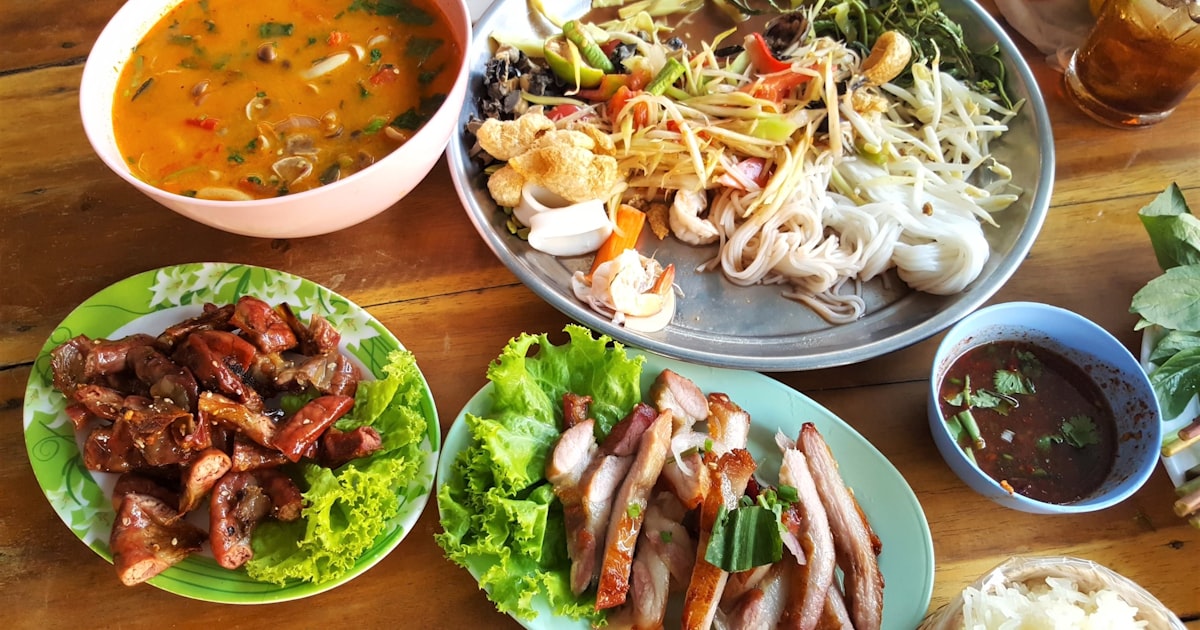
Thai cuisine is celebrated worldwide for its bold, harmonious flavors and its ability to balance seemingly contradictory tastes in a single dish. At once fiery and sweet, sour and salty, Thai cooking is a study in contrast and equilibrium. Understanding its foundations reveals a culinary tradition deeply connected to geography, agriculture, and a communal approach to eating.
The Balance of Flavors
The hallmark of Thai cooking is the interplay of four fundamental tastes: sweet, sour, salty, and spicy. A well-composed Thai dish hits all four notes, with no single flavor overpowering the others. Palm sugar provides sweetness; lime juice and tamarind deliver sourness; fish sauce and shrimp paste supply salt and umami depth; and fresh chilies bring heat. This balance is not formulaic—every cook adjusts proportions to taste, and every dish has its own ideal equilibrium. A green curry leans toward heat and herbaceous freshness, while a pad thai emphasizes the sweet-sour-salty triad with a gentle chili accent.
Key Ingredients
Thai cooking relies on a pantry of aromatic ingredients that create its distinctive character:
- Fish sauce (nam pla) – The backbone of Thai seasoning, providing salty, umami depth in nearly every savory dish.
- Lemongrass – A citrusy, fragrant stalk used in soups, curries, and stir-fries, often bruised to release its essential oils.
- Galangal – A rhizome related to ginger but with a sharper, more piney flavor, essential in tom kha gai and curry pastes.
- Kaffir lime leaves – Intensely aromatic leaves that add a floral, citrus note to curries and soups when torn and added during cooking.
- Thai basil – Distinct from Italian basil, with an anise-like flavor that holds up to high-heat cooking in stir-fries and curries.
- Coconut milk – The creamy base for many Thai curries, providing richness that tempers chili heat.
Regional Styles
Thailand's four main regions each contribute distinct culinary traditions. Central Thailand, including Bangkok, is known for refined dishes like green and red curries, pad thai, and elaborate royal cuisine. Northern Thailand (Chiang Mai and surrounding provinces) features milder, earthier food influenced by Burmese and Lao neighbors—khao soi (curry noodle soup), sai ua (herbed sausage), and sticky rice are staples. Northeastern Thailand (Isan) produces Thailand's spiciest food, built around som tum (green papaya salad), larb (minced meat salad), and grilled meats served with sticky rice. Southern Thailand shows Malay and Indian influences, with rich, turmeric-yellow curries, fresh seafood, and dishes like massaman curry, which incorporates warm spices like cardamom and cinnamon.
Famous Dishes and Street Food Culture
Thai street food is an institution. Bangkok was famously named the world's best street food city, and its sidewalks and soi (alleys) are lined with vendors cooking over charcoal and wok burners. Essential dishes to know include tom yum goong (hot and sour shrimp soup), pad kra pao (stir-fried basil with meat over rice), khao man gai (Hainanese chicken rice), and mango sticky rice for dessert. Meals in Thailand are communal affairs: multiple dishes are ordered and shared family-style around a central pot of rice. This approach to dining reflects the Thai value of sanuk—the idea that life, and food, should be enjoyed together.