Mexican Street Food
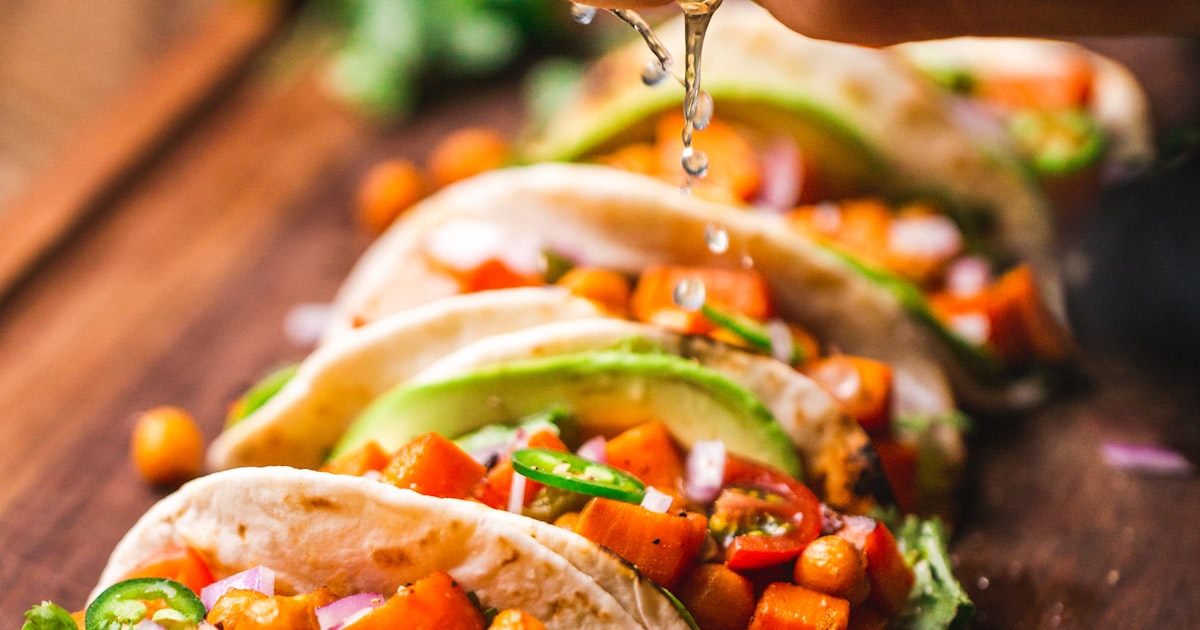
Mexican street food, or antojitos (literally "little cravings"), is one of the world's most vibrant and diverse culinary traditions. From bustling Mexico City intersections to quiet Oaxacan village markets, street vendors serve dishes rooted in pre-Hispanic ingredients and techniques that have evolved over thousands of years. In 2010, traditional Mexican cuisine was recognized by UNESCO as an Intangible Cultural Heritage of Humanity.
The Icons: Tacos and Tamales
The taco is Mexico's most famous street food, but it bears little resemblance to the hard-shell versions found abroad. Authentic street tacos use small, soft corn tortillas made from nixtamalized masa—a process where dried corn is soaked in an alkaline solution to release nutrients and create a distinctive flavor. Fillings vary enormously by region: al pastor (spit-roasted pork with pineapple) dominates Mexico City, while Baja California is known for crispy battered fish tacos topped with cabbage and crema.
Tamales predate the Spanish conquest by centuries. These bundles of masa dough filled with meats, chilies, fruits, or mole are wrapped in corn husks or banana leaves and steamed until tender. They remain a communal food—families gather for tamaladas, assembly-line tamale-making sessions, especially during holidays and celebrations.
Beyond Tacos: Street Food Essentials
The variety of Mexican street food extends far beyond tacos and tamales. Other beloved staples include:
- Elotes and esquites – Grilled corn on the cob (elotes) or corn kernels in a cup (esquites), dressed with mayonnaise, chili powder, lime, and cotija cheese.
- Tortas – Crusty rolls stuffed with layers of meat, avocado, beans, cheese, and pickled jalapeños.
- Tlayudas – Large, crispy tortillas from Oaxaca topped with beans, meat, cheese, and salsa.
- Aguas frescas – Refreshing drinks made from fresh fruit, flowers, or grains. Horchata (rice and cinnamon), jamaica (hibiscus), and tamarindo are the most beloved.
- Churros – Ridged fried dough sticks dusted in cinnamon sugar, often filled with cajeta (goat milk caramel).
Regional Variations
Mexico's thirty-one states each contribute unique street food traditions. The Yucatán Peninsula offers cochinita pibil—slow-roasted pork marinated in achiote and sour orange, served on tortillas with pickled red onion. Sinaloa is famous for its mariscos carts, dishing out aguachile and ceviche tostadas by the coast. In Puebla, cemitas (sesame-topped sandwiches layered with avocado, pápalo herb, and chipotle) reflect the city's complex culinary heritage. Oaxaca, often called the land of seven moles, has a street food scene built around tlayudas, chapulines (toasted grasshoppers), and rich chocolate-based mole negro.
Cultural Significance
Street food in Mexico is not merely a convenience—it is the backbone of daily social life. Markets like Mercado de la Merced in Mexico City function as community gathering spaces where generations of vendors pass down recipes and techniques. The street food economy supports millions of families and preserves indigenous culinary knowledge that might otherwise be lost. Every bite from a street cart carries with it centuries of history, identity, and pride.