A Guide to Japanese Cuisine
Japanese cuisine, or washoku, was inscribed on UNESCO's Intangible Cultural Heritage list in 2013, recognizing it as far more than a collection of recipes. It is a cultural system built on respect for nature, seasonality, and balance. Every meal in Japan reflects a philosophy that food should nourish the body, please the eye, and honor the ingredients from which it is made.
The Philosophy of Washoku
At its core, washoku follows the principle of ichiju sansai—one soup and three sides—alongside a bowl of rice and pickled vegetables. This structure ensures nutritional balance and variety at every meal. Presentation is equally important: dishes are arranged to reflect the season through color, garnish, and choice of serving vessel. A spring meal might feature cherry blossom motifs, while autumn brings maple-leaf accents and earthy tones.
The concept of umami, often called the fifth taste, is central to Japanese cooking. Identified by chemist Kikunae Ikeda in 1908, umami is the savory depth found in dashi stock made from kombu seaweed and bonito flakes. This foundational broth underpins miso soup, simmered dishes, and countless sauces, giving Japanese food its distinctive layered flavor.
Essential Dishes
While Japanese cuisine encompasses thousands of preparations, several stand out as pillars of the culinary tradition:
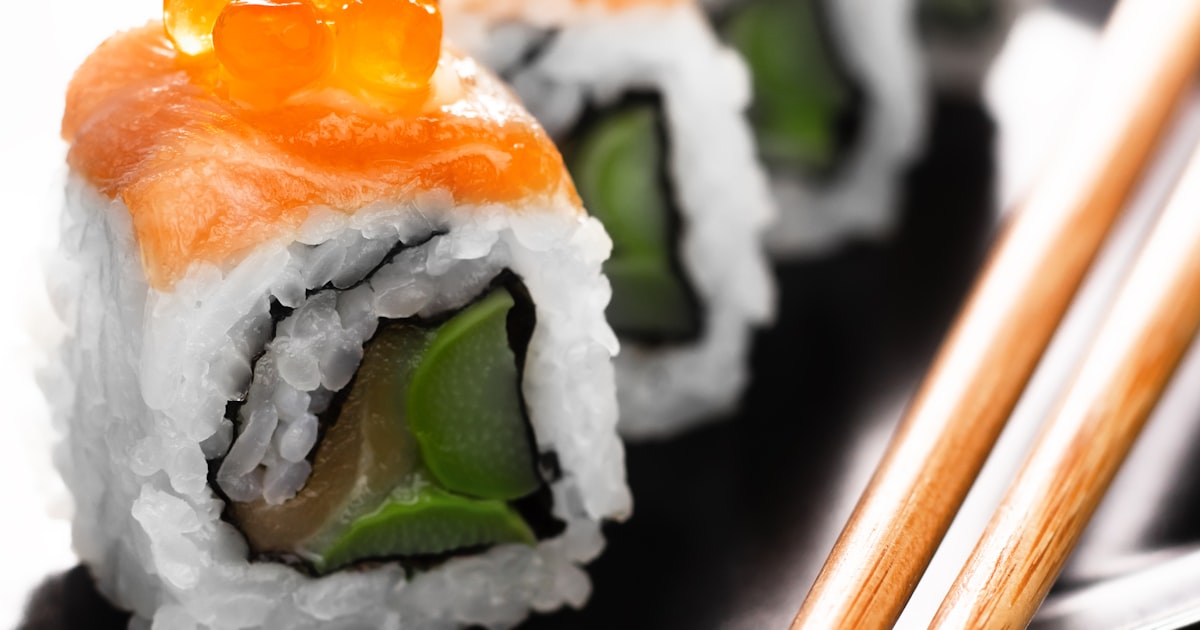
- Sushi – Vinegared rice paired with fresh seafood. Styles range from nigiri and maki rolls to the refined omakase experience at a master chef's counter.
- Ramen – Chinese-origin wheat noodles transformed into a Japanese obsession. Regional broths include Hakata's milky tonkotsu, Sapporo's miso-based bowls, and Tokyo's soy-flavored shoyu.
- Tempura – Lightly battered and deep-fried vegetables and seafood introduced by Portuguese missionaries in the sixteenth century, now a refined Japanese art.
- Kaiseki – A multi-course haute cuisine rooted in tea ceremony traditions, showcasing seasonal ingredients through meticulous preparation and stunning presentation.
Regional Diversity
Japan's geography creates remarkable culinary variety. Hokkaido in the north is famous for fresh seafood, dairy, and hearty miso ramen suited to its cold winters. The Kansai region around Osaka and Kyoto is considered the birthplace of kaiseki and is celebrated for its street food culture—takoyaki (octopus balls) and okonomiyaki (savory pancakes) draw crowds to Dotonbori's neon-lit stalls. Kyushu's volcanic landscape nurtures rich pork dishes and the creamy tonkotsu broth that has conquered the world.
Okinawa, the subtropical island chain to the south, has its own distinct food culture influenced by Chinese and Southeast Asian traditions. Purple sweet potatoes, bitter melon, and slow-braised pork belly feature prominently, contributing to the famously long lifespans of Okinawan residents. Modern Japanese cuisine continues to evolve through convenience store culture, izakaya innovation, and a new generation of chefs blending tradition with global techniques, yet the principles of washoku remain its enduring foundation.