Italian Pasta Traditions
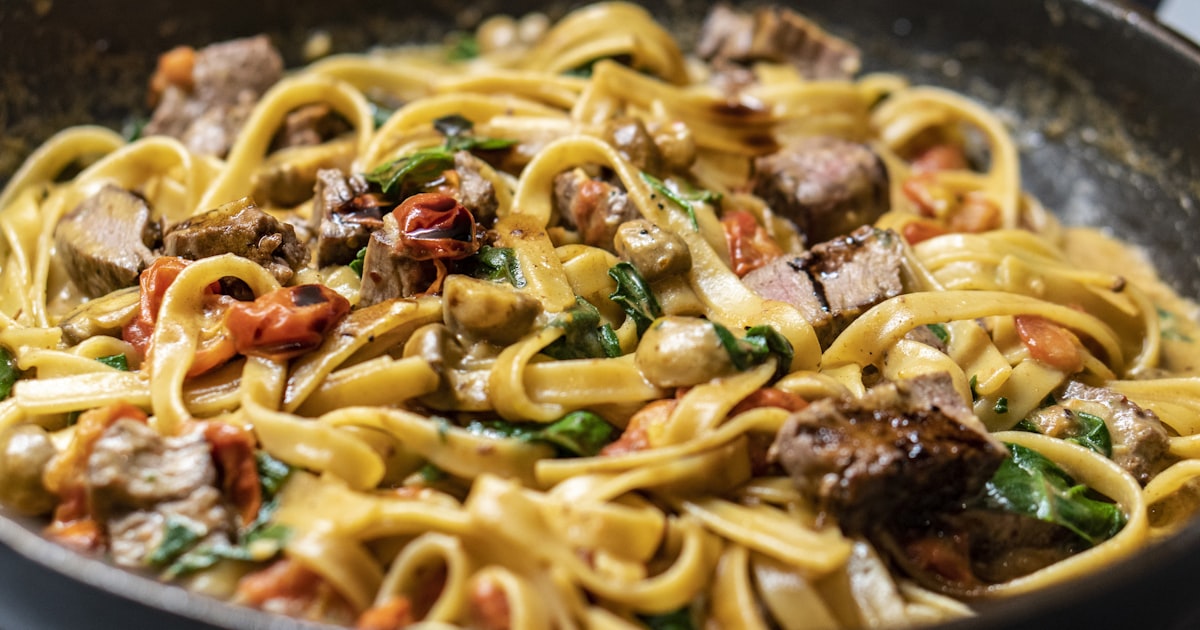
Pasta is the soul of Italian cooking. With over 350 recognized shapes and countless regional preparations, it represents centuries of ingenuity, tradition, and an almost sacred relationship between Italians and their food. What appears simple—flour, water, sometimes eggs—becomes an endlessly expressive medium in the hands of Italian cooks.
A Brief History of Pasta
Contrary to popular myth, Marco Polo did not bring pasta from China. Dried pasta was already being produced in Sicily by the twelfth century, shaped by Arab influences during their rule of the island. The warm, breezy climate proved ideal for drying durum wheat semolina into shapes that could be stored for months. By the fourteenth century, pasta had spread throughout the Italian peninsula, with Naples emerging as the capital of dried pasta production. The marriage of pasta and tomato sauce came surprisingly late—not until the eighteenth century, when tomatoes finally shed their reputation as potentially poisonous and became a kitchen staple.
Regional Shapes and Sauce Pairings
Every region of Italy has its signature shapes, and Italians take the pairing of shape to sauce seriously. The principle is straightforward: the pasta's texture and geometry should capture and complement the sauce. Key regional traditions include:
- Emilia-Romagna – Fresh egg pasta dominates. Tagliatelle with ragù bolognese, tortellini in brodo, and lasagne are cornerstones of this rich culinary region.
- Campania – Dried durum wheat pasta from Gragnano. Spaghetti with clams, paccheri with Neapolitan ragù, and rigatoni alla genovese showcase southern traditions.
- Puglia – Orecchiette, the ear-shaped pasta, is hand-formed and traditionally served with broccoli rabe and anchovy or a slow-cooked lamb sauce.
- Sardinia – Fregola, a toasted semolina pasta resembling couscous, and malloreddus (Sardinian gnocchi) reflect the island's distinct culinary identity.
- Liguria – Trofie and trenette are the vehicles for Genoa's famous basil pesto, made with pine nuts, garlic, Parmigiano, and Pecorino.
Artisan Versus Industrial Production
The difference between artisan and industrial pasta is significant. Artisan producers use bronze dies to extrude the dough, creating a rough, porous surface that grips sauce effectively. They dry the pasta slowly at low temperatures, sometimes for up to seventy-two hours, preserving the wheat's flavor and nutritional value. Industrial pasta, by contrast, is typically extruded through smooth Teflon dies and dried rapidly at high heat, producing a slicker texture and blander taste. While industrial pasta serves everyday needs affordably, a side-by-side comparison reveals the artisan product's superior ability to absorb and hold sauce, offering a depth of wheat flavor that elevates even the simplest preparation.
Iconic Dishes to Know
Roman cuisine alone contributes four iconic pasta dishes known as the quattro romani: cacio e pepe (pecorino and black pepper), gricia (guanciale and pecorino), amatriciana (adding tomato to gricia), and carbonara (eggs, guanciale, and pecorino). Each uses minimal ingredients elevated through precise technique. Across Italy, the lesson is always the same: quality ingredients, proper pasta shape, and respect for tradition create dishes that are far greater than the sum of their parts.