The Origins and Culture of Coffee
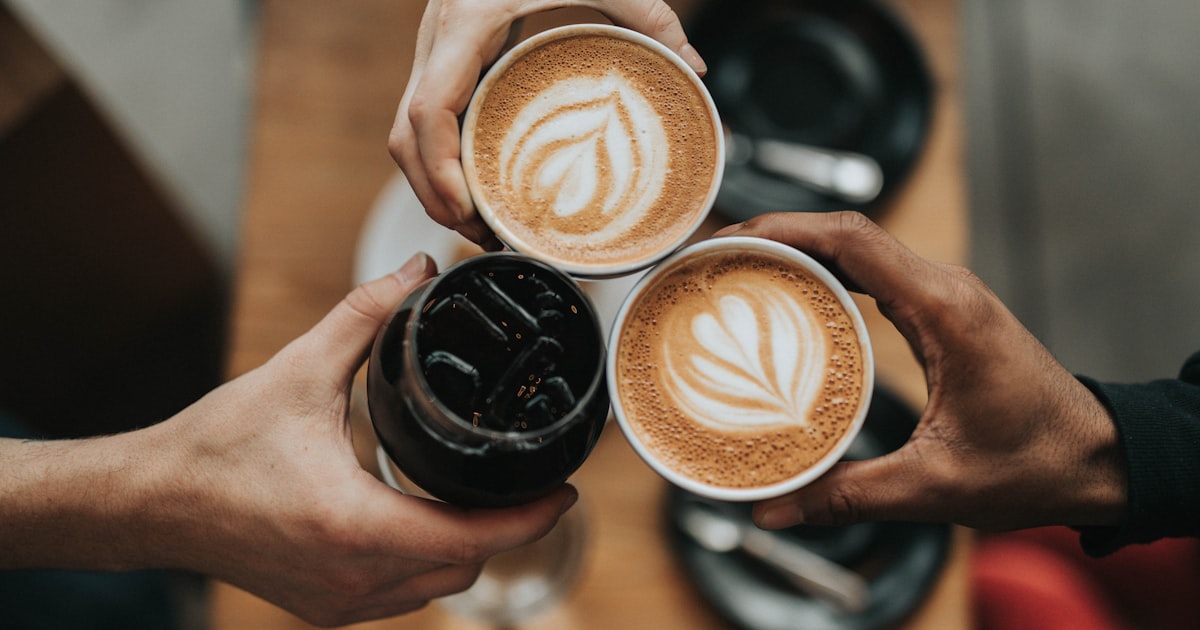
Coffee is the world's second most traded commodity after petroleum, consumed by an estimated two billion people daily. Yet this ubiquitous beverage has a rich and contested history that spans continents, empires, and revolutions. From an Ethiopian goat herder's chance discovery to the precision of modern third-wave roasters, coffee's journey is one of humanity's most compelling food stories.
Discovery and Spread
Legend places coffee's origin in the Ethiopian highlands, where a goat herder named Kaldi noticed his goats became unusually energetic after eating berries from a certain shrub. While the story is likely apocryphal, Ethiopia remains the botanical birthplace of Coffea arabica. By the fifteenth century, coffee was being cultivated and traded in Yemen, where Sufi monks brewed it to stay alert during nighttime prayers. Coffee houses, or qahveh khaneh, appeared across the Ottoman Empire in the sixteenth century, becoming centers of intellectual exchange. European travelers brought coffee west, and by the seventeenth century, coffee houses in London, Paris, and Vienna were reshaping social and political life.
Bean Varieties
Commercial coffee relies on two primary species, each with distinct characteristics:
- Arabica – Grown at higher altitudes, Arabica accounts for roughly sixty percent of world production. It produces complex, nuanced flavors with notes ranging from fruity and floral to chocolatey and nutty, depending on origin and processing.
- Robusta – Hardier and higher in caffeine, Robusta thrives at lower altitudes and is more resistant to disease. Its flavor is stronger and more bitter, making it popular in espresso blends and instant coffee.
Within Arabica, hundreds of cultivars exist. Ethiopian heirloom varieties offer extraordinary diversity, while cultivars like Bourbon, Typica, Gesha, and SL28 are prized by specialty roasters for their distinctive cup profiles.
Brewing Methods
The way coffee is brewed profoundly affects its taste. Major methods include espresso, which forces hot water through finely ground coffee under pressure to produce a concentrated shot; pour-over techniques like the V60 and Chemex, which use gravity and a paper filter for a clean, nuanced cup; French press, which steeps coarse grounds in hot water for a full-bodied result; and cold brew, where grounds steep in cold water for twelve to twenty-four hours, producing a smooth, low-acid concentrate. Each method highlights different aspects of the bean's character, and serious coffee drinkers often match their brewing method to the bean's origin and roast level.
Coffee Culture Worldwide
Coffee culture varies dramatically by country. Italy's espresso bars are stand-up affairs where a quick shot is consumed in seconds. Turkey's coffee is brewed unfiltered in a cezve with sugar and sometimes cardamom, served with grounds settled at the bottom. Ethiopia's coffee ceremony is an elaborate social ritual involving roasting green beans, grinding them by hand, and brewing in a clay jebena over three rounds. Scandinavian countries rank among the world's highest per-capita consumers, favoring light roasts that preserve origin flavors.
The Third Wave
The third-wave coffee movement, emerging in the early 2000s, treats coffee as an artisanal product comparable to wine. It emphasizes single-origin sourcing, transparent relationships with farmers, precise roasting to highlight terroir, and scientific brewing parameters. Roasters like Intelligentsia, Stumptown, and Counter Culture helped pioneer this approach, elevating coffee from a caffeinated commodity to a craft beverage appreciated for its complexity, seasonality, and the human stories behind every cup.