Urban Green Spaces
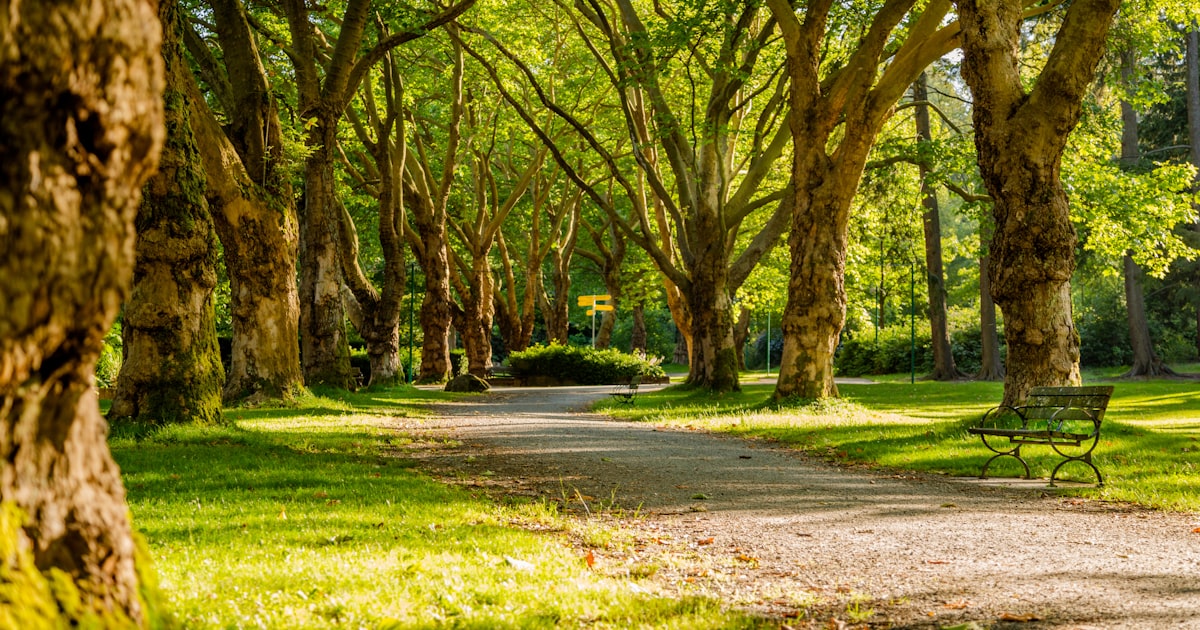
As the world becomes increasingly urbanized, with over 55% of the global population now living in cities and projections reaching 68% by 2050, the design and preservation of urban green spaces has become a critical environmental and public health priority. Parks, gardens, tree-lined streets, green roofs, and urban forests are far more than aesthetic amenities. They are essential infrastructure that makes cities livable, resilient, and sustainable.
Benefits of Urban Parks
Well-designed urban parks deliver a remarkable range of benefits to city residents. They provide space for physical activity, recreation, and social interaction, strengthening community bonds and reducing isolation. Studies consistently show that access to green spaces is associated with lower rates of cardiovascular disease, obesity, and respiratory illness. Parks also provide critical ecosystem services: a single large urban tree can absorb over 20 kilograms of carbon dioxide per year, filter particulate matter from the air, and intercept thousands of liters of stormwater that would otherwise overwhelm drainage systems. Urban green spaces support surprising levels of biodiversity, providing habitat corridors for birds, pollinators, and other wildlife within the built environment.
Green Infrastructure and the Heat Island Effect
Cities are significantly warmer than surrounding rural areas due to the urban heat island effect, where concrete, asphalt, and buildings absorb and re-radiate solar energy. This temperature differential can reach 5-10 degrees Celsius and contributes to heat-related illness and mortality, particularly during extreme heat events. Green infrastructure directly combats this through:
- Evapotranspiration from trees and vegetation, which cools the surrounding air
- Green roofs that insulate buildings, reduce energy consumption, and lower rooftop temperatures by up to 30 degrees Celsius
- Permeable surfaces and rain gardens that manage stormwater while cooling neighborhoods
- Urban tree canopies that provide shade and reduce ground-level temperatures on streets and sidewalks
- Bioswales and constructed wetlands that filter pollutants from runoff while creating habitat
Mental Health Benefits
The psychological benefits of urban green spaces are well documented and increasingly recognized by urban planners and public health professionals. Exposure to natural settings reduces cortisol levels, lowers blood pressure, and decreases symptoms of anxiety and depression. The Japanese practice of shinrin-yoku, or forest bathing, has been shown to boost immune function and improve mood after just two hours of immersion in a natural setting. Children who grow up with regular access to green spaces demonstrate better attention spans, lower rates of behavioral disorders, and improved academic performance. For elderly populations, nearby parks and gardens reduce social isolation and cognitive decline.
Design Principles for Equitable Green Spaces
Creating effective urban green spaces requires thoughtful design and equitable distribution. Research shows that low-income neighborhoods and communities of color often have significantly less access to quality green spaces than wealthier areas, a disparity known as green gentrification when park investments drive up property values and displace existing residents. Best practices in urban green space design include ensuring that every resident lives within a 10-minute walk of a quality park, incorporating community input into design processes, using native plant species adapted to local conditions, creating multi-functional spaces that serve diverse age groups and activities, and integrating green corridors that connect isolated patches of nature across the urban landscape. Cities like Singapore, Copenhagen, and Medellin are leading the way in demonstrating that dense urban development and abundant green space can coexist.