The Renewable Energy Revolution
The global energy landscape is undergoing a profound transformation. Renewable energy sources, once considered niche alternatives, now represent the fastest-growing segment of the power sector. In 2024 alone, the world added over 500 gigawatts of renewable capacity, shattering previous records and signaling a definitive shift away from fossil fuels. This revolution is not merely environmental; it is reshaping economies, geopolitics, and the daily lives of billions of people.
Solar Power Leads the Charge
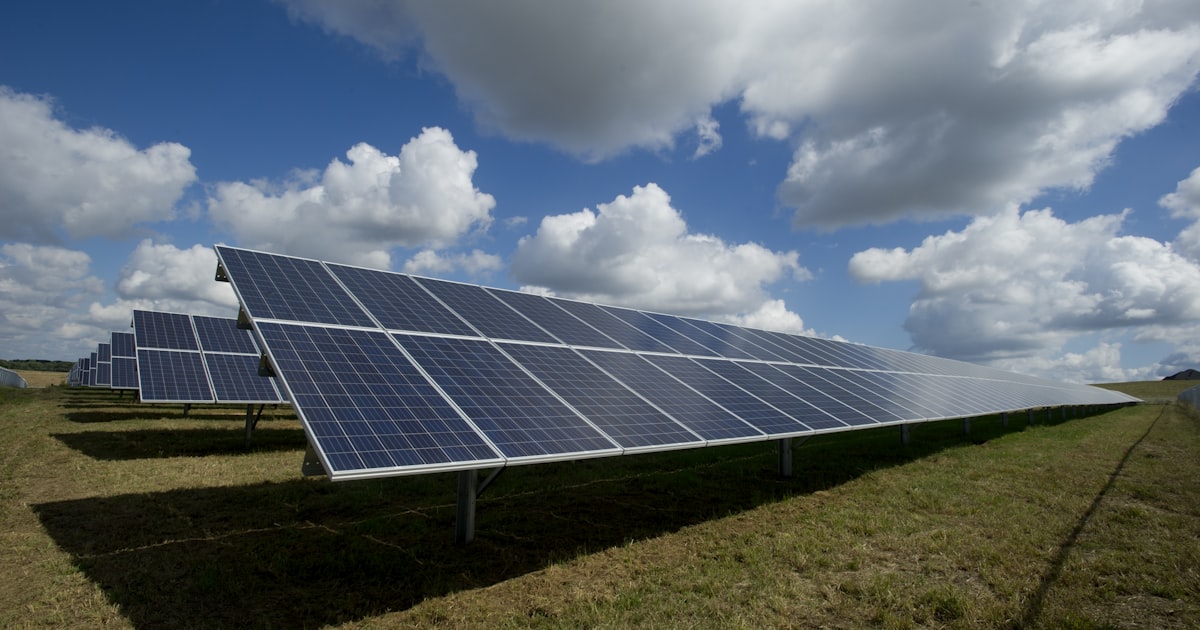
Solar photovoltaic technology has experienced a remarkable cost decline of over 90% since 2010, making it the cheapest source of new electricity generation in most regions. Utility-scale solar farms now span thousands of hectares in deserts and open land, while rooftop installations empower homeowners and businesses to generate their own power. Countries like China, India, and the United States are racing to deploy solar at unprecedented scales, with China alone installing more panels in a single year than the rest of the world combined.
Wind Energy and Storage Breakthroughs
Offshore wind farms are becoming engineering marvels, with individual turbines now exceeding 15 megawatts in capacity. The North Sea, the coasts of East Asia, and the eastern seaboard of the United States are emerging as major offshore wind corridors. Meanwhile, battery storage technology is solving the intermittency challenge that long plagued renewables. Lithium-ion battery costs have fallen dramatically, and grid-scale storage projects are enabling solar and wind energy to deliver power around the clock. Emerging technologies such as iron-air batteries and compressed air storage promise even greater capacity at lower costs.
Beyond Electricity
The renewable revolution extends well beyond the electrical grid. Electric vehicles are displacing internal combustion engines at an accelerating pace, with EV sales surpassing 20 million units globally in recent years. Heat pumps are replacing gas boilers for residential and commercial heating, offering three to four times the efficiency. Green hydrogen, produced by splitting water using renewable electricity, is being developed to decarbonize heavy industry, shipping, and aviation sectors that are difficult to electrify directly.
Key Statistics and Outlook
- Renewables supplied over 30% of global electricity in 2025, up from just 20% a decade earlier
- Solar energy costs have dropped below $0.03 per kilowatt-hour in the most competitive markets
- Global investment in clean energy exceeded $1.7 trillion in 2024
- Over 14 million people are now employed in the renewable energy sector worldwide
- Battery storage deployments tripled between 2022 and 2025
Despite these advances, significant challenges remain. Grid infrastructure must be modernized to handle distributed and variable generation. Permitting processes need to be streamlined. Supply chains for critical minerals such as lithium, cobalt, and rare earth elements require diversification and responsible sourcing. The transition must also be equitable, ensuring that workers and communities dependent on fossil fuel industries are not left behind. Nevertheless, the momentum behind renewable energy is now irreversible, driven by economics, policy, and the urgent need to address climate change.