The Ocean Plastic Crisis
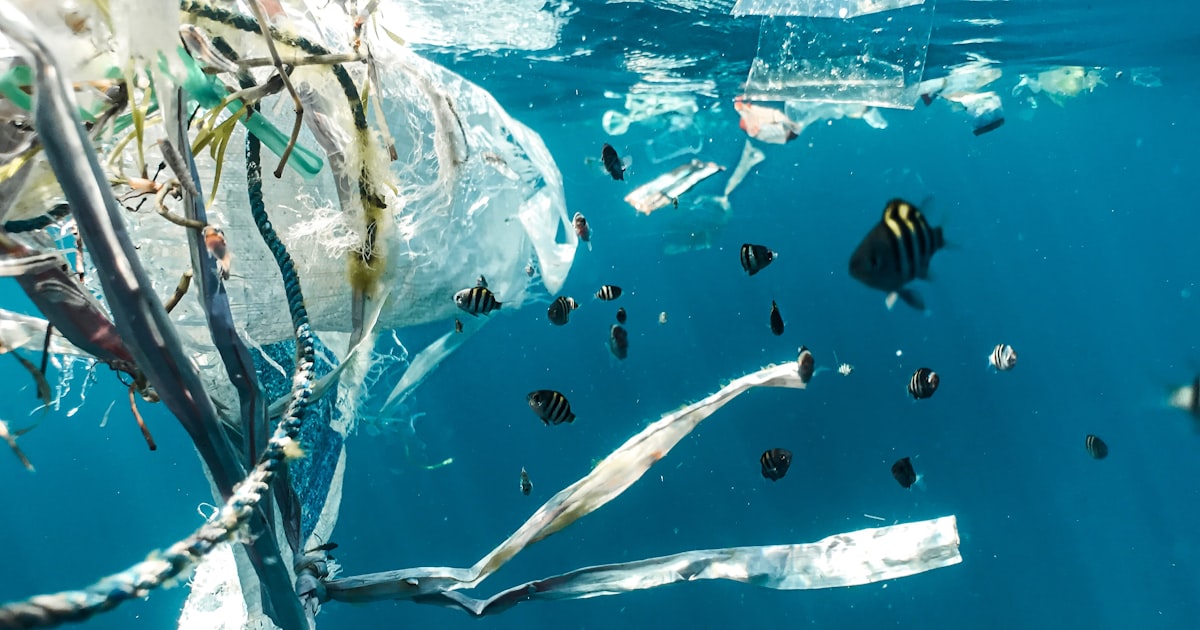
Every year, an estimated 11 million metric tons of plastic waste enter the world's oceans, a figure projected to triple by 2040 if current trends continue. From the surface waters of the Pacific to the deepest ocean trenches, plastic pollution has become one of the most visible and pervasive environmental crises of our time. The problem extends far beyond unsightly debris on beaches; it represents a systemic failure in how humanity produces, uses, and disposes of materials.
The Scale of the Problem and Microplastics
The Great Pacific Garbage Patch, a sprawling accumulation zone between Hawaii and California, covers an area roughly twice the size of Texas. Yet this visible mass represents only a fraction of ocean plastic. An estimated 70% of marine debris sinks to the ocean floor, where it is nearly impossible to recover. Perhaps most alarming is the proliferation of microplastics, fragments smaller than five millimeters created as larger items break down under sunlight and wave action. These particles have been detected in Arctic sea ice, Antarctic snow, deep-sea sediments, and even the air we breathe. Recent studies have found microplastics in human blood, lung tissue, and placental samples, raising serious concerns about long-term health effects.
Impact on Marine Life
The consequences for marine ecosystems are devastating. Over 800 marine species are known to be affected by plastic pollution through ingestion or entanglement. Sea turtles mistake plastic bags for jellyfish, seabirds feed bottle caps to their chicks, and whales have been found stranded with stomachs full of plastic sheeting. At the microscopic level, zooplankton and filter-feeding organisms consume microplastics that then bioaccumulate through the food chain. Plastic debris also acts as a vector for invasive species and harmful chemicals, disrupting marine ecosystems far from the pollution source.
Cleanup Efforts and Innovation
Numerous organizations and technologies are tackling ocean plastic. The Ocean Cleanup project has deployed systems to intercept plastic in rivers before it reaches the sea and is extracting debris from the Great Pacific Garbage Patch. Community-led beach cleanups remove thousands of tons of waste annually. Innovative approaches include:
- Autonomous drones and AI-powered sorting systems for identifying and collecting marine debris
- Biodegradable alternatives to single-use plastics made from seaweed, mushroom mycelium, and agricultural waste
- Chemical recycling processes that break plastics back into their original monomers for reuse
- Extended producer responsibility programs that hold manufacturers accountable for end-of-life disposal
Policy Solutions
Meaningful progress requires systemic policy change. The United Nations Global Plastics Treaty, currently under negotiation, aims to establish binding international commitments to reduce plastic production and pollution. Over 170 countries have implemented bans or restrictions on single-use plastics. Deposit-return schemes for beverage containers have achieved collection rates above 90% in countries like Germany and Norway. However, the global production of plastic continues to rise, driven by petrochemical industry expansion. Addressing the crisis ultimately demands a circular economy approach that redesigns products for reuse, dramatically reduces unnecessary plastic, and ensures that what remains is effectively collected and recycled.