Deforestation and Its Consequences
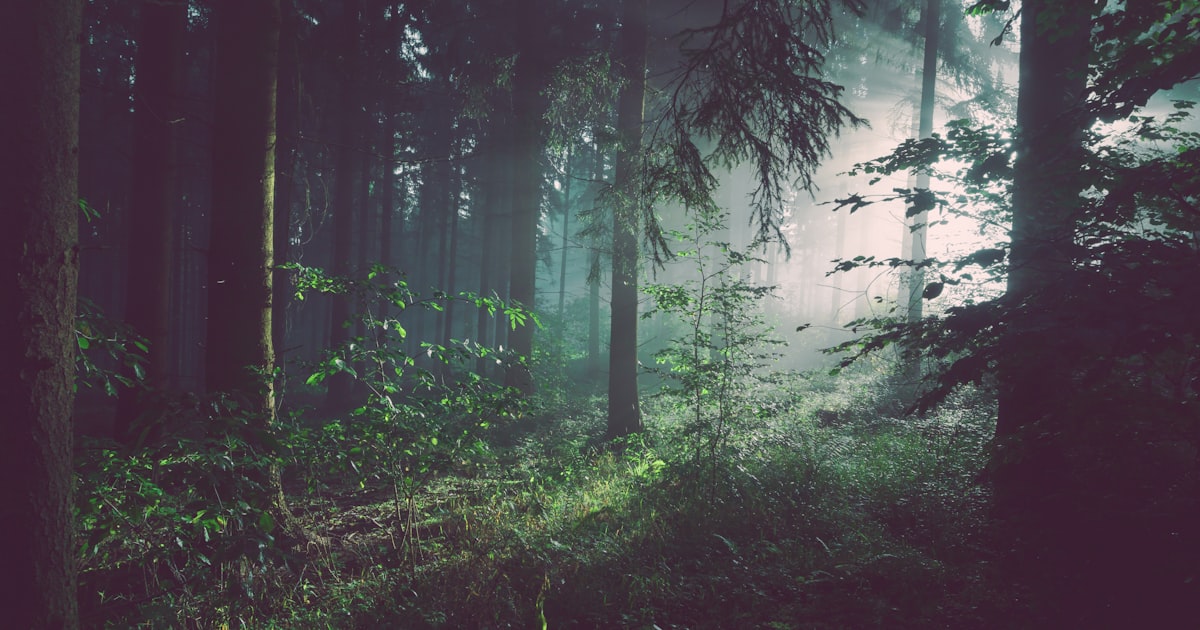
Forests cover approximately 31% of the Earth's land surface and are home to more than 80% of terrestrial biodiversity. Yet every year, the world loses roughly 10 million hectares of forest, an area about the size of Iceland. Deforestation is not a new phenomenon, but its pace and scale in recent decades have created an environmental emergency with far-reaching consequences for climate stability, biodiversity, and human communities that depend on forest ecosystems.
Causes of Deforestation
The primary drivers of deforestation vary by region but share common economic pressures. Agricultural expansion is responsible for approximately 80% of global deforestation, with cattle ranching, soy cultivation, and palm oil plantations leading the way in tropical regions. Logging for timber and paper products, both legal and illegal, degrades vast tracts of primary forest. Infrastructure development, including roads, dams, and mining operations, opens previously inaccessible forests to exploitation. In many developing nations, subsistence farming and fuelwood collection by local communities also contribute to forest loss, often driven by poverty and lack of alternative livelihoods.
The Amazon Rainforest Under Threat
The Amazon basin contains the largest tropical rainforest on Earth, spanning nine countries and covering 5.5 million square kilometers. It generates roughly 20% of the world's oxygen and stores an estimated 150 to 200 billion tons of carbon. However, the Amazon has lost approximately 17% of its forest cover in the past 50 years. Scientists warn that the forest is approaching a tipping point at around 20-25% deforestation, beyond which large areas could irreversibly transition into degraded savanna. Recent satellite data has shown that parts of the eastern Amazon have already become net carbon emitters rather than carbon sinks.
Biodiversity Loss and Carbon Release
Deforestation is the single greatest driver of terrestrial species extinction. Tropical forests alone harbor an estimated 50% of all species on Earth, many of which have never been scientifically described. When forests are cleared, the consequences include:
- Direct habitat destruction forcing species into smaller, fragmented ranges
- Disruption of pollination networks, seed dispersal, and predator-prey relationships
- Release of stored carbon dioxide, with deforestation accounting for roughly 10% of global greenhouse gas emissions
- Soil degradation and erosion, reducing land productivity and contaminating waterways
- Altered rainfall patterns, as forests generate significant moisture through transpiration
Reforestation and Conservation Efforts
Global efforts to reverse deforestation are gaining momentum. The Bonn Challenge aims to restore 350 million hectares of degraded land by 2030. Countries like Costa Rica have demonstrated that reversing deforestation is possible, having doubled its forest cover since the 1980s through payment-for-ecosystem-services programs. China's massive tree-planting campaigns have increased forest cover significantly, though critics note that monoculture plantations do not replicate the ecological value of natural forests. Indigenous land management has proven highly effective, with studies showing that deforestation rates on indigenous territories are significantly lower than on comparable unprotected land. Consumer-facing initiatives such as deforestation-free supply chain commitments and certification schemes like the Forest Stewardship Council are creating market incentives for forest preservation.