The Decline of Coral Reefs
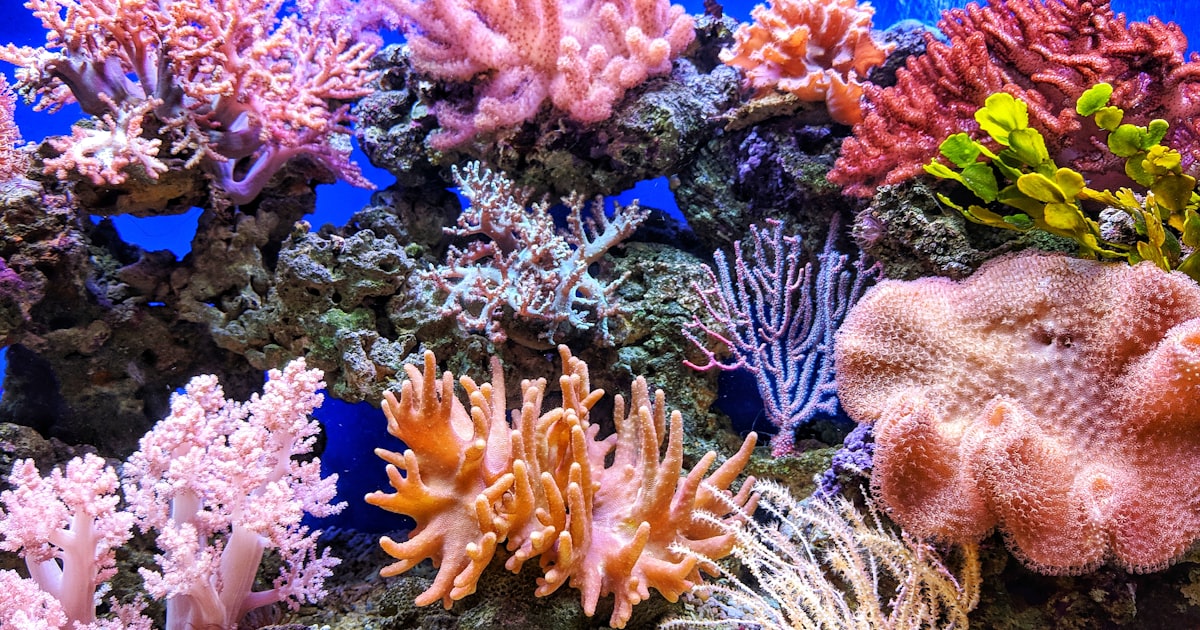
Coral reefs are among the most biodiverse and economically valuable ecosystems on the planet, yet they face an existential crisis. Often called the rainforests of the sea, coral reefs cover less than 1% of the ocean floor but support approximately 25% of all marine species. Rising ocean temperatures, acidification, and human activities are pushing these fragile ecosystems toward collapse, with scientists estimating that 70-90% of the world's coral reefs could disappear within the next few decades if current trends persist.
How Coral Reefs Work
Corals are colonial animals made up of thousands of tiny organisms called polyps. Each polyp secretes a hard calcium carbonate skeleton that forms the reef structure over centuries and millennia. Crucially, most reef-building corals have a symbiotic relationship with microscopic algae called zooxanthellae that live within their tissues. These algae photosynthesize and provide the coral with up to 90% of its energy needs, while the coral provides the algae with shelter and the compounds necessary for photosynthesis. This partnership is what gives corals their vibrant colors and enables them to build the massive reef structures that serve as habitat for countless marine organisms.
Bleaching Events and Major Threats
When ocean temperatures rise just 1-2 degrees Celsius above the normal summer maximum, corals become stressed and expel their symbiotic algae, turning white in a process known as bleaching. While corals can recover from brief bleaching events, prolonged or repeated heat stress leads to mortality. The world experienced its fourth global mass bleaching event in 2024, affecting reefs across the Atlantic, Pacific, and Indian Oceans simultaneously. Key threats to coral reefs include:
- Ocean warming driven by greenhouse gas emissions, the single greatest threat to reef survival
- Ocean acidification, which reduces the availability of carbonate ions corals need to build their skeletons
- Coastal pollution from agricultural runoff, sewage, and sedimentation that smothers reef surfaces
- Overfishing that removes key species and disrupts ecological balance
- Destructive fishing practices including dynamite fishing and cyanide poisoning
Restoration Projects and Innovation
Despite the grim outlook, restoration science is advancing rapidly. Coral gardening programs cultivate heat-resistant coral fragments in underwater nurseries before transplanting them onto degraded reefs. Researchers are selectively breeding corals that demonstrate natural thermal tolerance, a process sometimes called assisted evolution. In Australia, scientists are experimenting with cloud brightening technology to reflect sunlight and reduce heat stress on sections of the Great Barrier Reef. Biorock technology uses low-voltage electrical currents to accelerate coral growth on artificial structures. Community-based reef management in countries like Indonesia and the Philippines has shown that local stewardship can dramatically improve reef health within just a few years.
Why Reefs Matter
The economic and ecological stakes of reef loss are enormous. Coral reefs provide food security for over 500 million people worldwide and generate an estimated $36 billion annually through tourism. They act as natural breakwaters, protecting coastlines from storm surges and erosion, a service valued at billions of dollars per year. Reef ecosystems are also a source of novel compounds for pharmaceutical research, with coral-derived substances being studied for treatments against cancer, HIV, and other diseases. Losing coral reefs would trigger cascading ecological collapse across ocean food webs and devastate coastal economies throughout the tropics.