The World of Rally Racing
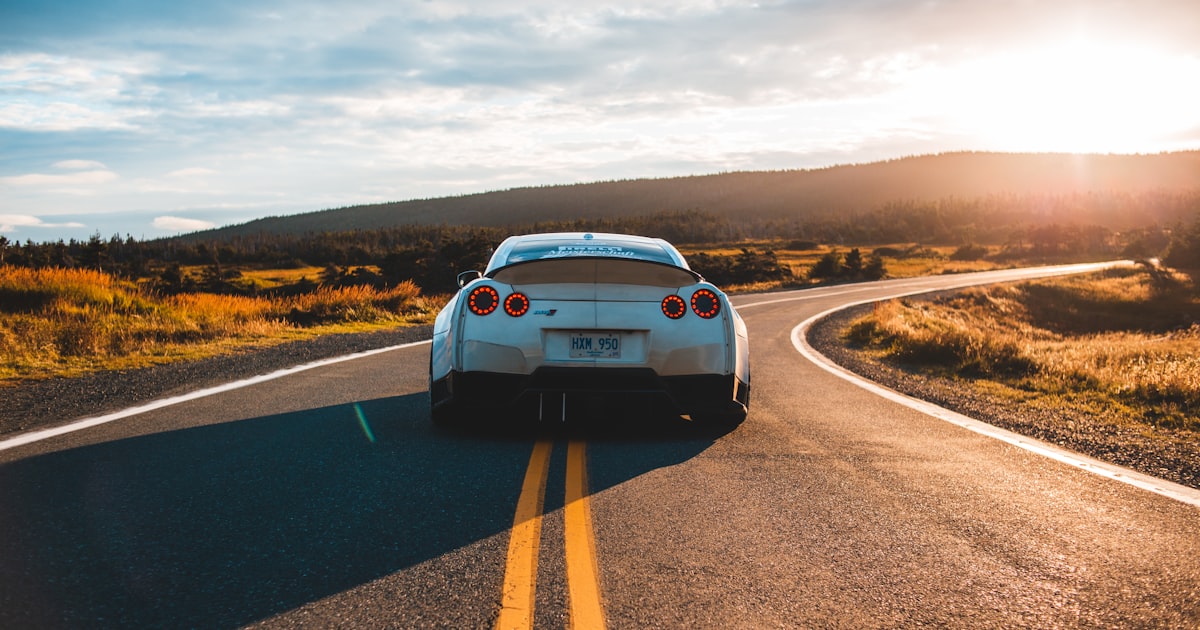
Rally racing is unlike any other form of motorsport. While circuit racing pits drivers against each other on smooth tarmac with run-off areas and safety barriers, rally drivers battle the clock on public roads, forest tracks, mountain passes, and desert trails. The combination of unpredictable surfaces, changing weather conditions, and the constant threat of the unknown around every corner makes rallying one of the most demanding and spectacular disciplines in all of motorsport.
WRC History
The World Rally Championship was inaugurated in 1973, consolidating several prestigious international rallies into a single championship. The early years were dominated by purpose-built machines from manufacturers like Lancia, Fiat, and Ford. The championship quickly became a proving ground for automotive technology, with innovations in turbocharging, four-wheel drive, and active suspension all debuting in rally competition before reaching road cars. Over the decades, the WRC has visited every continent and tackled terrain ranging from Arctic snow in Rally Sweden to the scorching gravel of Rally Kenya.
The Group B Era
No period in rally history is more legendary or more controversial than Group B, which ran from 1982 to 1986. With minimal technical restrictions, manufacturers built monsters that produced over 500 horsepower in cars weighing barely 900 kilograms. The most iconic Group B cars include:
- Audi Quattro S1 – Pioneered all-wheel drive in rallying and dominated the early Group B seasons.
- Lancia Delta S4 – Featured both a supercharger and turbocharger for relentless power delivery.
- Peugeot 205 T16 – A mid-engined, turbocharged machine that won back-to-back championships in 1985 and 1986.
- Ford RS200 – An advanced mid-engined design that never fully realized its potential before Group B was banned.
The cars were breathtaking but dangerous. Spectators routinely stood on the edge of the road, and several fatal accidents involving both drivers and spectators led the FIA to abolish Group B at the end of 1986. The era remains a cautionary tale about the limits of performance without adequate safety measures.
Famous Stages and Legendary Drivers
Rally stages have become legendary in their own right. The Col de Turini in Rally Monte Carlo, driven at night on icy mountain roads, is perhaps the most famous. The Ouninpohja stage in Rally Finland tests drivers' courage at speeds exceeding 200 km/h on narrow gravel roads with blind crests. Rally Argentina's El Condór stage combines altitude and rough terrain for a grueling challenge. The sport has produced legendary figures like Sébastien Loeb, who won nine consecutive WRC titles from 2004 to 2012, and his compatriot Sébastien Ogier, who added eight more titles. Other greats include Colin McRae, whose fearless driving style made him a fan favorite, and Tommi Mäkinen, the Finnish master of gravel.
Modern Rallying
Today's WRC cars use hybrid powertrains that combine 1.6-liter turbocharged engines with electric motors, reflecting the broader automotive industry's shift toward electrification. The Rally1 regulations, introduced in 2022, aim to make the sport more sustainable while maintaining the spectacle. Events are streamed worldwide, bringing rally action to a global digital audience. National championships and regional series continue to thrive as grassroots entry points, ensuring that rally racing remains accessible to aspiring drivers. From muddy forest tracks to sun-baked desert plateaus, rallying's appeal is timeless: one car, one driver, one co-driver, and an open road.