The Future of Electric Vehicles
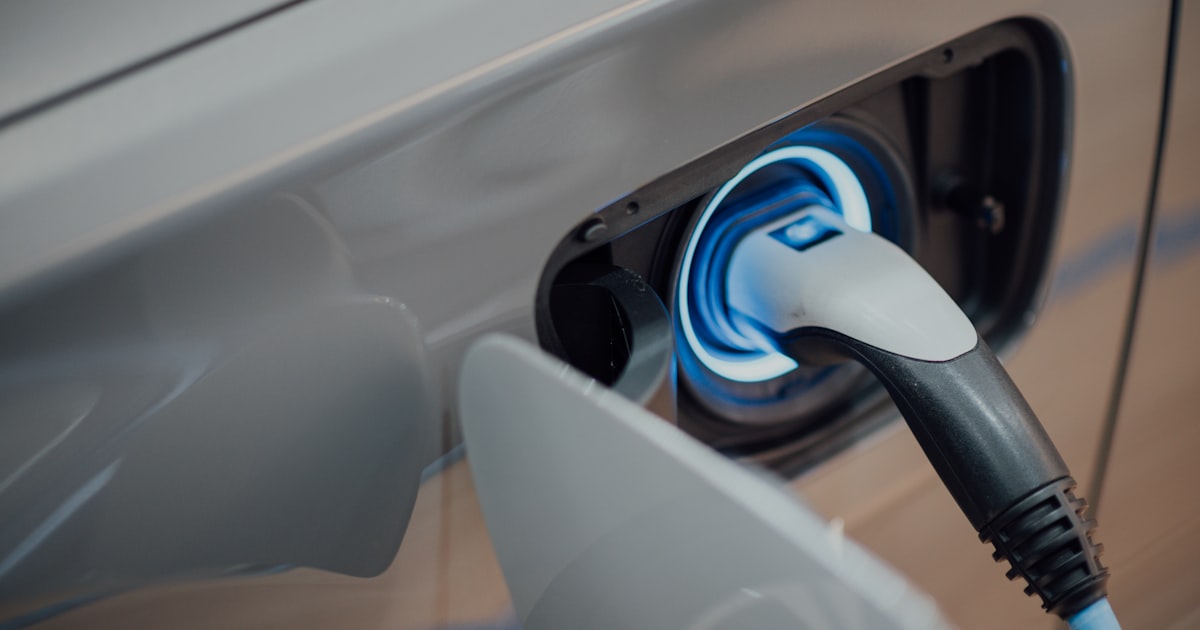
The automotive industry is undergoing its most significant transformation since the invention of the internal combustion engine. Electric vehicles, once dismissed as impractical novelties, have become the focal point of nearly every major manufacturer's strategy. With governments worldwide setting ambitious emissions targets and consumers increasingly prioritizing sustainability, the shift to electric mobility appears irreversible.
Battery Technology Breakthroughs
At the heart of every electric vehicle lies its battery pack, and advances in this area are driving the entire industry forward. Lithium-ion batteries have steadily improved in energy density while costs have fallen by nearly 90% over the past decade. The next frontier includes solid-state batteries, which promise higher energy density, faster charging, and improved safety by replacing the liquid electrolyte with a solid material. Companies like Toyota, QuantumScape, and Samsung SDI are racing to bring solid-state cells to mass production, with commercial availability expected within the next few years.
Charging Infrastructure
Range anxiety remains a barrier for many potential EV buyers, but the rapid expansion of charging networks is steadily alleviating this concern. Key developments include:
- Ultra-fast charging – Stations capable of delivering 350 kW can add 200 miles of range in roughly 15 minutes.
- Nationwide networks – Tesla's Supercharger network has opened to other brands, while Electrify America and IONITY continue aggressive expansion.
- Home charging – Level 2 home chargers remain the most convenient option for daily use, with overnight charging covering most commuting needs.
- Wireless charging – Inductive charging pads embedded in roads and parking spaces are being trialed in several countries.
Market Growth and Adoption
Global EV sales have surged dramatically, surpassing 14 million units in 2024 alone. China leads the market, followed by Europe and North America. Traditional automakers such as Volkswagen, General Motors, and Hyundai have committed tens of billions of dollars to electrification programs. Meanwhile, newer entrants like Rivian, Lucid, and BYD are intensifying competition, pushing innovation and driving down prices for consumers. Many analysts project that EVs will account for the majority of new car sales globally by the early 2030s.
Environmental Impact and Challenges
Electric vehicles produce zero tailpipe emissions, making them a critical tool in the fight against climate change. However, the full environmental picture is more nuanced. Mining lithium, cobalt, and nickel for batteries raises concerns about ecological damage and labor practices. Battery recycling infrastructure is still maturing, though companies like Redwood Materials are making significant progress. The carbon footprint of an EV also depends heavily on the electricity grid powering it. As renewable energy sources grow, the lifecycle emissions advantage of EVs over combustion vehicles will only widen, making them an increasingly compelling choice for environmentally conscious drivers.