The Art of Classic Car Restoration
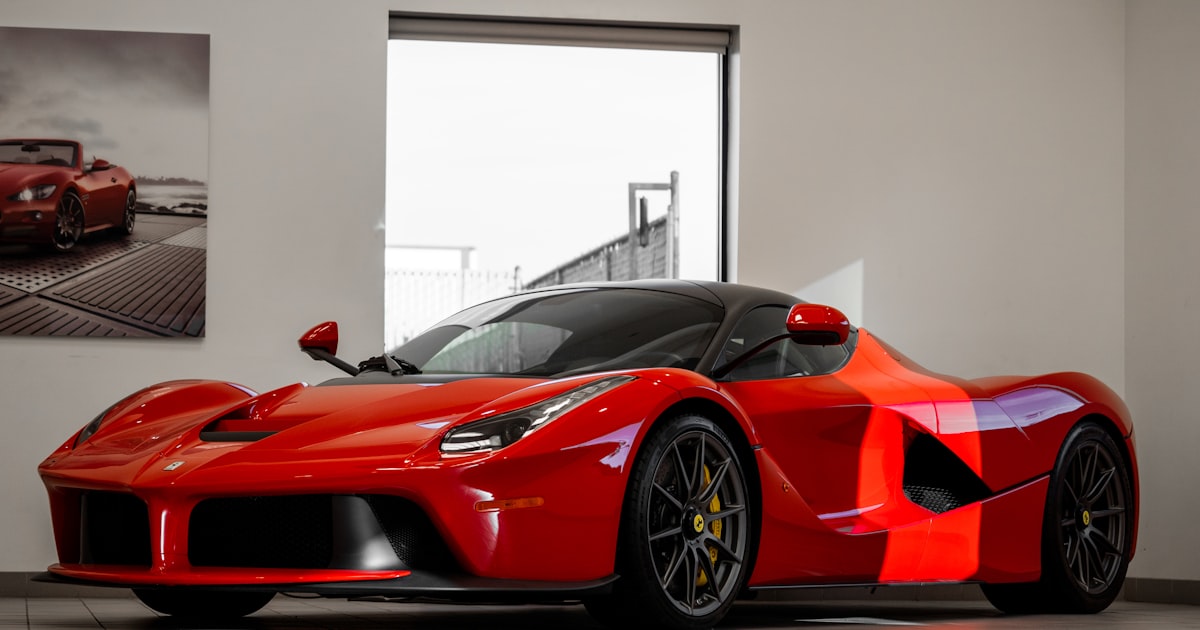
There is something deeply satisfying about breathing new life into a forgotten automobile. Classic car restoration is part craftsmanship, part detective work, and part pure passion. Whether it is a barn-find Mustang or a neglected Jaguar E-Type, the process of returning a classic to its former glory connects restorers with automotive history in a way that simply buying a finished car never can.
Why People Restore Classics
The motivations for taking on a restoration project are as varied as the cars themselves. Some enthusiasts are driven by nostalgia, seeking to rebuild the car they remember from their youth. Others see restoration as a form of mechanical artistry, a chance to master skills ranging from welding and bodywork to upholstery and paint. For some, classic cars represent a sound investment, as properly restored vehicles can appreciate significantly in value. And for many, the appeal is simply the challenge: the satisfaction of solving problems and watching a pile of rusty parts gradually transform into a rolling work of art.
Finding the Right Project
Choosing the right project car is the most critical decision in any restoration. Key factors to consider include:
- Parts availability – Popular models like the Ford Mustang, Chevrolet Camaro, and Volkswagen Beetle have extensive aftermarket support, making parts easier and cheaper to source.
- Condition of the body – Rust is the greatest enemy. A car with a solid body but a tired engine is far easier to restore than one with severe structural corrosion.
- Documentation – Matching numbers, original build sheets, and service history all increase the finished car's value and authenticity.
- Realistic scope – First-time restorers should start with a car that needs cosmetic and mechanical work rather than a complete ground-up rebuild.
Common Restoration Steps
While every project is different, most classic car restorations follow a general sequence. The process begins with a thorough assessment, documenting every component and photographing the car from every angle. Disassembly comes next, with every part carefully labeled and cataloged. The body is then stripped to bare metal, repaired, and treated for rust. Mechanical systems, including the engine, transmission, suspension, and brakes, are rebuilt or replaced. The body receives primer, paint, and clear coat, often the most visually dramatic stage. Reassembly brings everything together, followed by wiring, interior installation, and final adjustments. The last step is usually an extended shakedown period, where the car is driven and fine-tuned to ensure everything functions correctly.
Costs and Community
Restoration costs vary enormously depending on the car and the level of finish desired. A basic driver-quality restoration might cost $15,000 to $30,000, while a concours-level restoration of a rare vehicle can easily exceed $150,000. Labor typically represents the largest expense, which is why many enthusiasts do as much work as possible themselves. The classic car community is one of the most welcoming in the automotive world. Online forums, local car clubs, and events like Hershey, Goodwood Revival, and Pebble Beach Concours d'Elegance provide invaluable knowledge sharing, camaraderie, and inspiration for restorers at every skill level.