Photography Basics
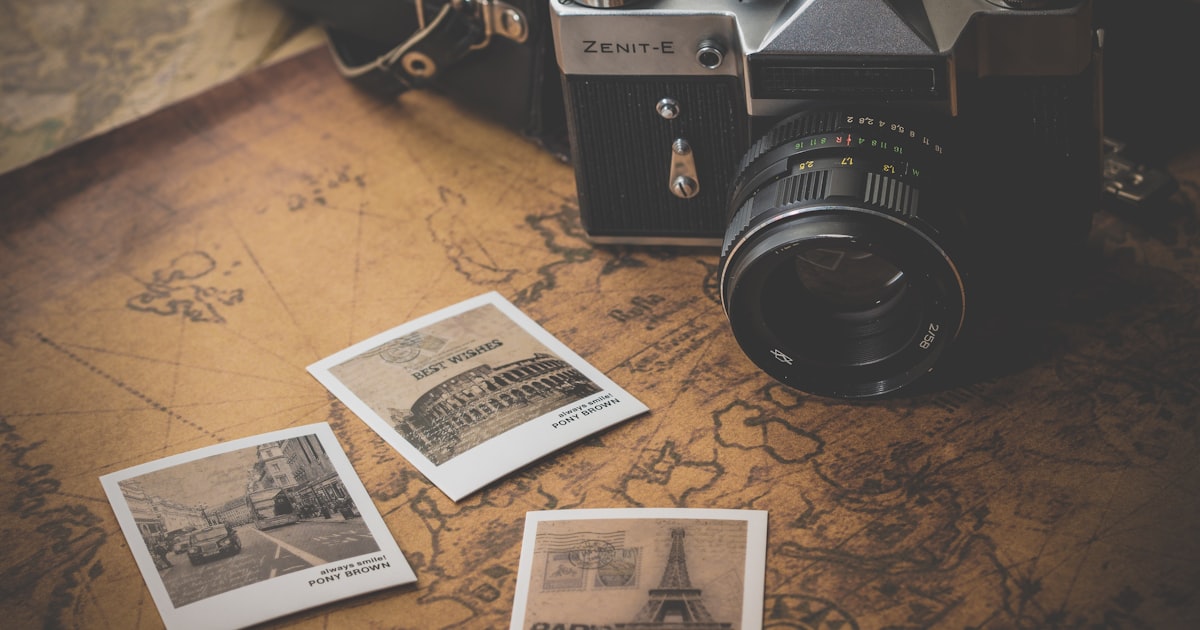
Photography is the art and science of capturing light to create images. Whether you are shooting with a professional DSLR or a smartphone, understanding the core principles of photography will dramatically improve your results. The difference between a snapshot and a compelling photograph often comes down to a grasp of exposure, composition, and the ability to see light in a deliberate way. This guide covers the essential concepts every aspiring photographer should know.
The Exposure Triangle
Exposure is the foundation of every photograph. It refers to the amount of light that reaches your camera's sensor, and it is controlled by three interconnected settings known as the exposure triangle:
- Aperture (f-stop) — The size of the lens opening. A wide aperture (low f-number like f/1.8) lets in more light and creates a shallow depth of field, blurring the background. A narrow aperture (high f-number like f/16) lets in less light but keeps more of the scene in focus.
- Shutter Speed — How long the sensor is exposed to light. Fast shutter speeds (1/1000s) freeze motion, while slow speeds (1/30s or longer) create motion blur. A tripod is essential for very slow shutter speeds to avoid camera shake.
- ISO — The sensor's sensitivity to light. Low ISO values (100–400) produce clean images, while high ISO values (1600+) brighten the image but introduce digital noise or grain.
Mastering the balance between these three settings is the single most important technical skill in photography. Changing one setting requires compensating with one or both of the others to maintain proper exposure.
Composition Rules
Composition is how you arrange visual elements within the frame. Strong composition guides the viewer's eye and creates visual interest. The rule of thirds is the most widely used guideline: imagine dividing your frame into a 3×3 grid and placing key subjects along the lines or at their intersections rather than dead center. Leading lines, such as roads, fences, or rivers, draw the viewer's attention through the image toward a focal point. Framing uses natural elements like doorways, arches, or tree branches to enclose the subject. Negative space, the empty area around the subject, can create a sense of isolation or emphasis. While these rules provide a strong starting point, the best photographers learn them thoroughly and then break them with intention.
Camera Types and Gear
The camera market offers options for every budget and skill level. DSLRs use a mirror and optical viewfinder and offer extensive lens ecosystems. Mirrorless cameras have largely overtaken DSLRs, providing similar image quality in smaller, lighter bodies with electronic viewfinders. Medium format cameras deliver exceptionally high resolution for studio and landscape work. Modern smartphones, equipped with computational photography, produce remarkable results and remain the most accessible cameras available. Regardless of the camera body, investing in quality lenses typically yields greater image improvement than upgrading the body itself.
Developing Your Eye
Technical knowledge is essential, but developing a photographic eye is what transforms competent images into memorable ones. Study the work of photographers you admire. Shoot frequently and in varied conditions. Review your images critically, asking what works and what does not. Pay attention to light throughout the day; the golden hours after sunrise and before sunset produce warm, directional light that flatters nearly every subject. Most importantly, be patient. Photography rewards those who slow down, observe carefully, and wait for the right moment before pressing the shutter.