The History of Jazz
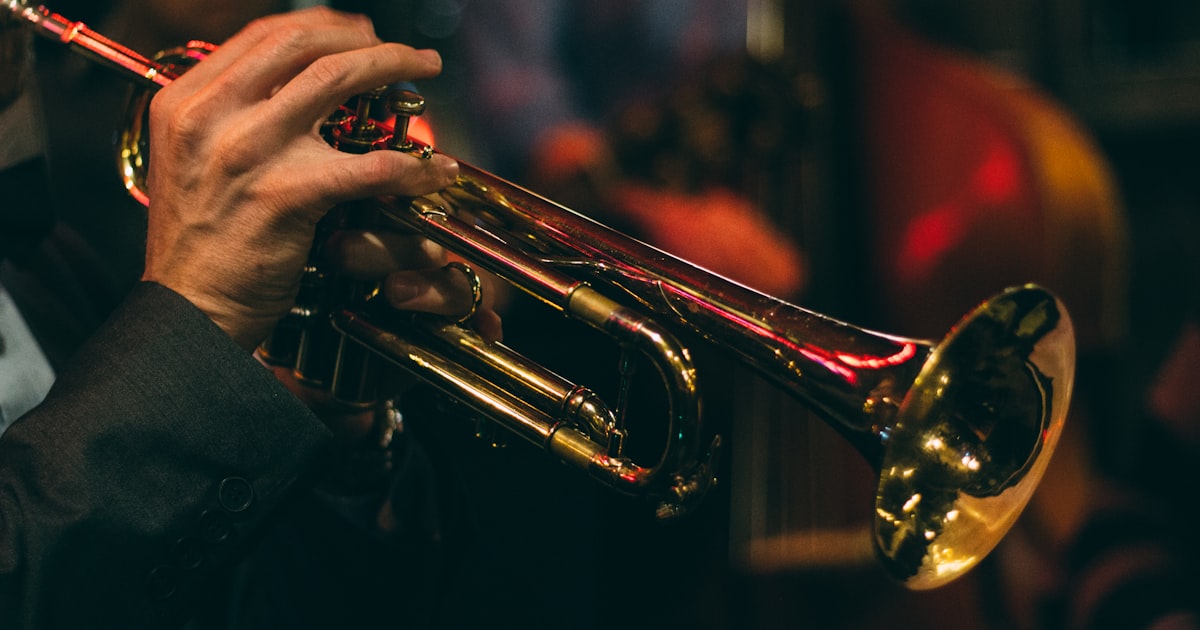
Jazz is one of America's most significant cultural contributions to the world. Born in the early 20th century from a confluence of African rhythmic traditions, blues melodies, ragtime syncopation, and European harmonic structures, jazz became far more than a genre of music. It became a vehicle for artistic expression, social change, and cultural identity. Over the course of a century, jazz continually reinvented itself, spawning new subgenres and influencing virtually every form of popular music that followed.
New Orleans Origins
The story of jazz begins in New Orleans, Louisiana, a city where African, Caribbean, Creole, and European musical traditions collided. In the late 1800s and early 1900s, musicians in neighborhoods like Storyville blended brass band marches, gospel hymns, work songs, and blues into something entirely new. Cornetist Buddy Bolden is often cited as one of the first jazz musicians, though no recordings of his performances survive. Louis Armstrong, who grew up in New Orleans, would later become the genre's first true superstar, revolutionizing trumpet playing and vocal improvisation. Jelly Roll Morton, another New Orleans native, claimed to have invented jazz and was among the first to arrange jazz compositions for ensemble performance.
The Swing Era and Bebop Revolution
During the 1930s and 1940s, jazz entered its most commercially popular phase with the swing era. Big bands led by Duke Ellington, Count Basie, and Benny Goodman filled dance halls across America. Swing music was upbeat, accessible, and designed for dancing, making jazz a mainstream entertainment form. However, by the mid-1940s, a new generation of musicians sought greater artistic freedom. Bebop emerged in small clubs in New York City, pioneered by alto saxophonist Charlie Parker and trumpeter Dizzy Gillespie. Bebop was faster, harmonically complex, and intended for listening rather than dancing. Key characteristics of bebop included:
- Rapid tempos and virtuosic improvisation
- Complex chord progressions and substitutions
- Small combo formats replacing big bands
- Emphasis on individual expression over ensemble uniformity
Cool Jazz and Modal Explorations
In the 1950s, a reaction to bebop's intensity produced cool jazz, characterized by relaxed tempos, lighter tones, and sophisticated arrangements. Miles Davis's Birth of the Cool sessions and Dave Brubeck's Time Out album exemplified this approach. On the West Coast, musicians like Chet Baker and Gerry Mulligan developed a laid-back style that contrasted with the hard bop movement happening simultaneously in New York. Miles Davis continued to push boundaries with his landmark 1959 album Kind of Blue, which introduced modal jazz and became the best-selling jazz album of all time.
Fusion and Global Influence
By the late 1960s, jazz musicians began incorporating elements of rock, funk, and electronic music. Miles Davis once again led the charge with Bitches Brew in 1970, blending electric instruments with jazz improvisation. Herbie Hancock, Weather Report, and Return to Forever further developed jazz fusion throughout the 1970s. Today, jazz continues to evolve, absorbing influences from hip-hop, electronic music, and global folk traditions. Artists like Kamasi Washington, Robert Glasper, and Esperanza Spalding are carrying jazz forward into the 21st century, proving that the spirit of innovation that defined the genre from the start remains very much alive.